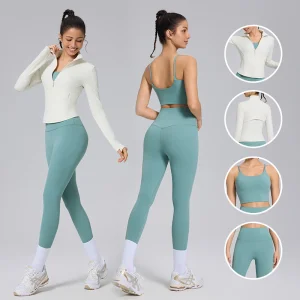
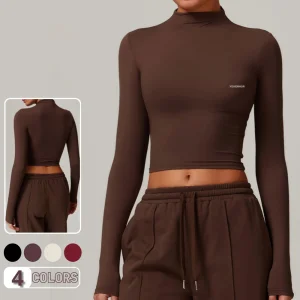
Premium OEM/ODM sportswear designed with advanced fabric technology, satisfying Japan’s rigorous quality metrics.
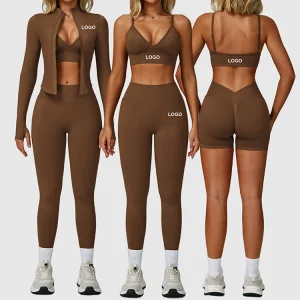
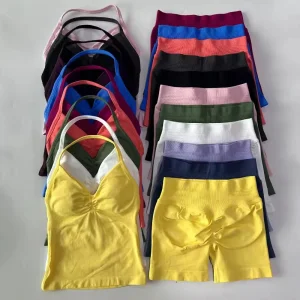
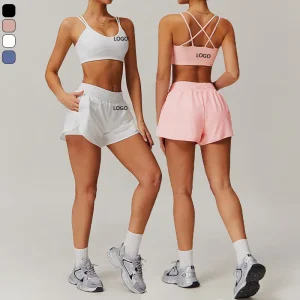
Foshan Yeg Vogue Co., Ltd. is a professional China women's apparel manufacturer specializing in the design, development, and production of fashionable, casual, and formal clothing for global fashion brands, wholesalers, retailers, e-commerce sellers, and private label businesses. Located in Foshan, one of China's important garment manufacturing hubs, we combine industry expertise, modern production capabilities, and trend-focused design to deliver high-quality apparel solutions for international markets.
Our product range covers a wide variety of women's apparel categories, including casual wear, business attire, formal wear, contemporary fashion, seasonal collections, knitwear, outerwear, and lifestyle garments. By closely monitoring global fashion trends and consumer preferences, we help customers create collections that align with market demands while maintaining strong brand identity and commercial value.
At Yeg Vogue, quality and consistency are at the core of everything we do. From fabric sourcing and pattern development to sample production, bulk manufacturing, and final inspection, every production stage is managed under strict quality control procedures. Our experienced team works closely with clients to ensure that every garment meets expectations for style, fit, comfort, and durability.
Aichi Prefecture represents a sophisticated, demanding micro-economy where performance meets professional everyday aesthetics.
The Chubu region, centered around the metropolitan hub of Nagoya, presents a unique demographic signature for activewear consumption. Unlike the fast-fashion-centric retail dynamics of Tokyo, consumers in Nagoya demand garments that balance structural longevity, technological efficiency, and transitional styling. The local market is heavily influenced by the Aichi lifestyle—where active commuting, weekend runs along the Yamazaki River, and upscale wellness classes in Naka-ku and Sakae dictate a wardrobe that transitions effortlessly from corporate offices to athletic spaces.
Furthermore, the local climate of Nagoya exhibits strong seasonal variance, demanding specialized product development. The hot, humid summers of the Nobi Plain require lightweight fabrics with high air permeability, UPF 50+ sun protection, and rapid capillary moisture-wicking technology. Conversely, the winters, driven by the cold "Ibuki Oroshi" winds sweeping across Aichi Prefecture, necessitate windproof, thermal-regulating compression garments and heated apparel. Our technical roadmap incorporates these micro-climatic requirements to provide Nagoya's retailers with customized merchandise collections.
Innovation-driven fabric design matching Japan’s rigorous import standards (JIS) and SDGs compliance.
All textiles are tested under Japanese Industrial Standards (JIS L 1092 for water resistance, JIS L 1907 for absorption). Ensuring high performance wash after wash.
Using GRS-certified recycled ocean plastics, biodegradable polyester blends, and OEKO-TEX Standard 100 non-hazardous dyes to align with Japan's green procurement initiatives.
Santoni circular knitting technology minimizes friction, improves muscle alignment, and offers high-tension support for yoga, running, and tennis activities.
Integration of wireless carbon-fiber heating arrays and EMS (Electrical Muscle Stimulation) layers inside activewear trousers and jackets for cold-weather performance.
From CAD prototyping and digital color-matching to specialized Japanese packaging, our production pipelines adapt to specific brand requirements.
Adhering to Japan's safety requirements, we implement two-pass metal-detection procedures utilizing high-sensitivity machinery before cargo packing.
Take a look inside our Foshan manufacturing facility, showing our sewing, cutting, styling, and QA infrastructure.
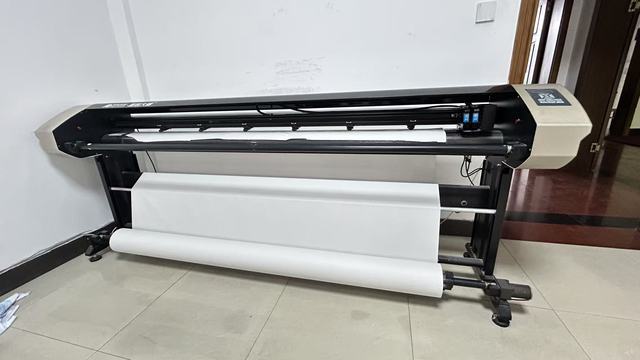
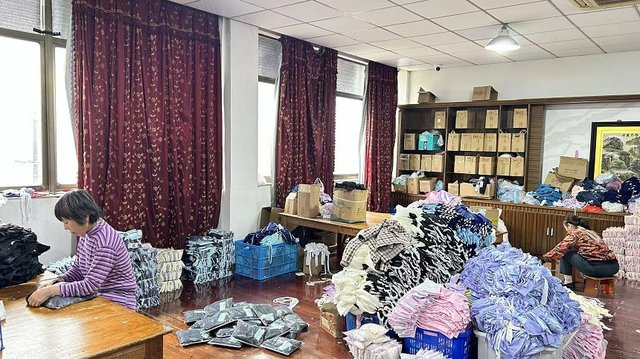
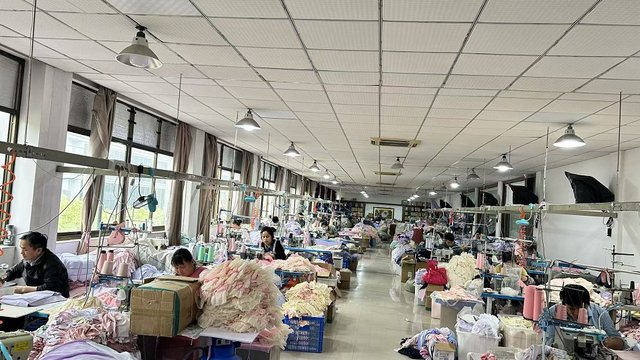
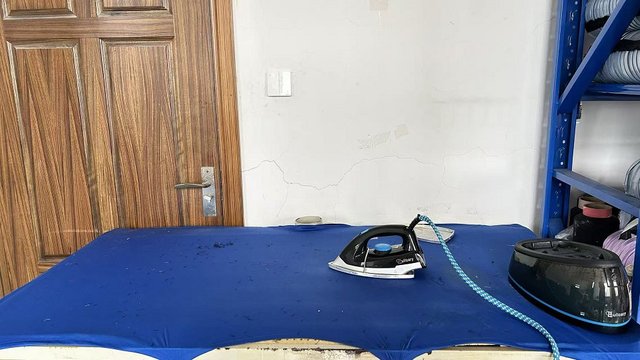
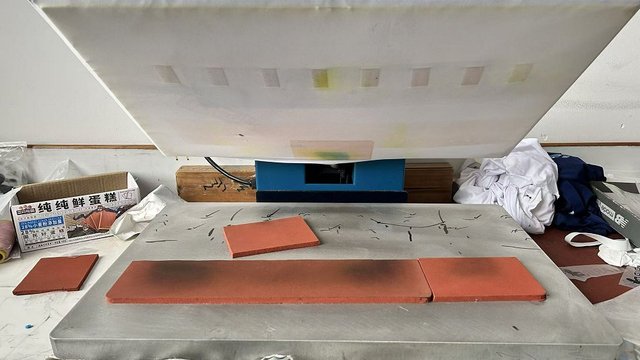
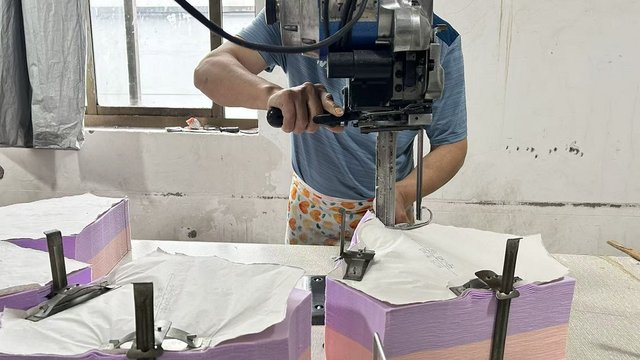
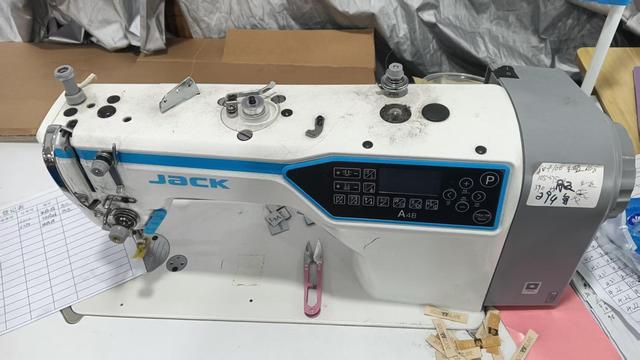
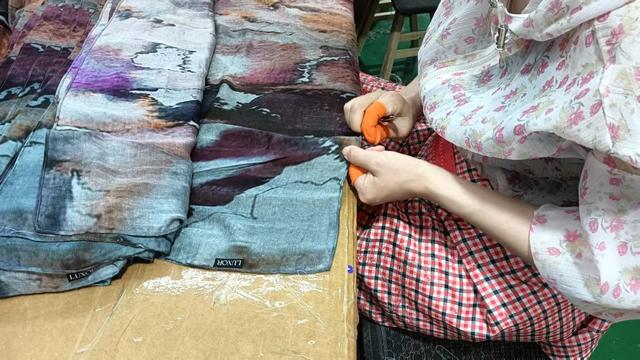
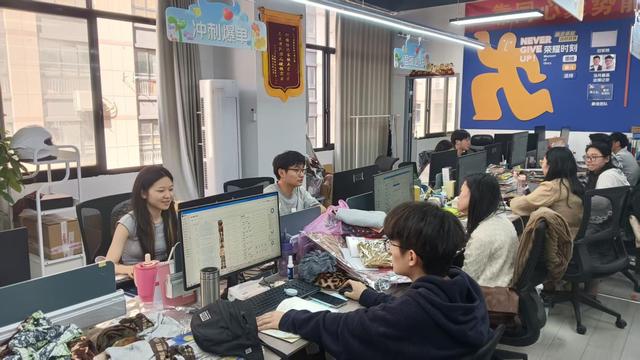
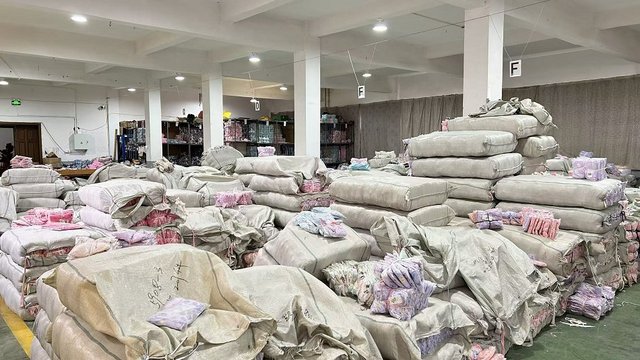
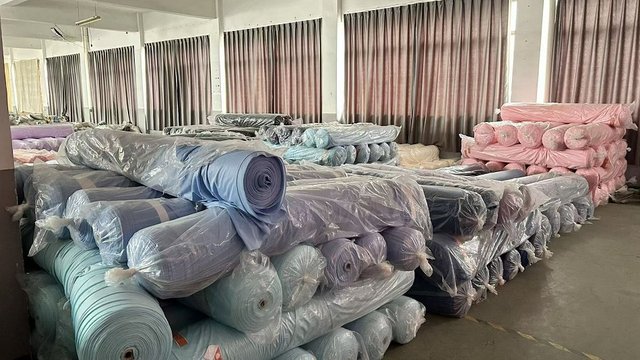
Operating out of our primary production facility in Foshan, Guangdong, we exploit the high-density container logistics network of Nansha and Shenzhen ports. For Nagoya-based importers, we offer custom logistics configurations that significantly reduce lead times and warehousing costs.
Standard ocean freight shipments routing from Guangzhou/Shenzhen port directly to the Port of Nagoya take approximately 5 to 7 days in transit. This rapid maritime link allows Japanese fashion chains, departments, and fitness brands to operate on a just-in-time (JIT) stock model, minimizing inventory holding costs and allowing quick reactions to domestic fashion shifts.
For high-priority releases, we utilize air transport networks from Guangzhou Baiyun International Airport to Chubu Centrair International Airport (NGO) in Nagoya, cutting door-to-door delivery down to 48 hours. Custom clearance documentation including RCEP Certificates of Origin is handled by our compliance team, providing tariff reductions under the Regional Comprehensive Economic Partnership.
From modern court apparel to seamless technical garments, optimized for contemporary lifestyle brands.

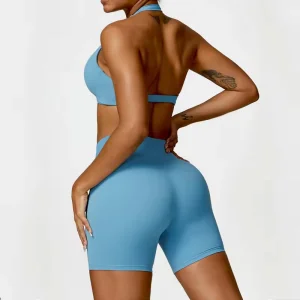

Explore our complete manufacturing capability covering high waist leggings, smart heated wear, and active accessories.

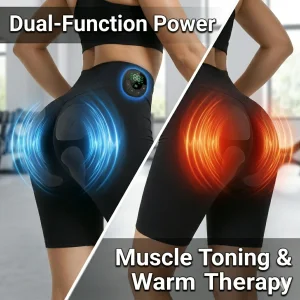
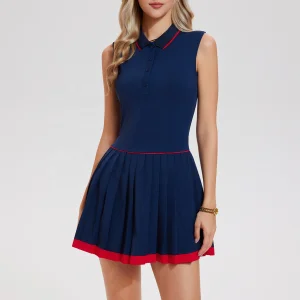

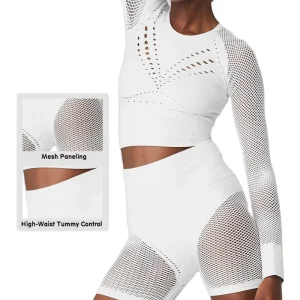
Deep-dive industrial insights and solutions covering import compliance, custom options, and logistics execution.
 Yeg Vogue