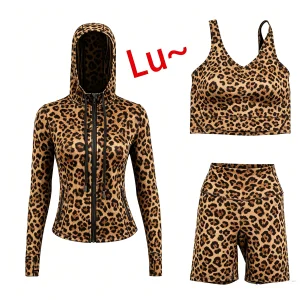

The consumer profile of the Namibia market is undergoing an active transformation. Historically reliant on imports through neighboring South African networks, domestic retailers in metropolitan areas like Windhoek, Swakopmund, and Walvis Bay are systematically diversifying their supply sources. Boutique entrepreneurs, high-street apparel chains, and private labels are turning to direct international sourcing channels to bypass middle-tier commissions, achieve pricing flexibility, and ensure exclusive design configurations.
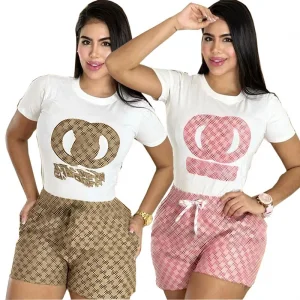
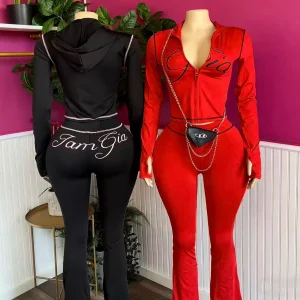
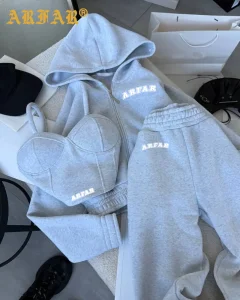
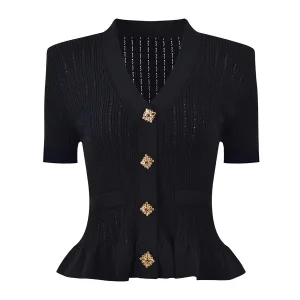
This macro transition highlights a fundamental shift toward the demand for Women's Designer Apparel that incorporates breathable premium fabrics, modern silhouettes, and flexible size runs optimized for Southern African consumer segments. Namibian luxury retailers are targeting premium apparel options to cater to a rising, brand-conscious middle class that values sustainable origins, material resilience, and modern aesthetics.
Utilizing the Port of Walvis Bay enables Namibian importers to import containers directly from China, significantly lowering transit delays and handling expenses typically associated with the Port of Durban. This geographical advantage enables quick response times to dynamic fashion seasons and lowers overall inventory risk for local retail chains.
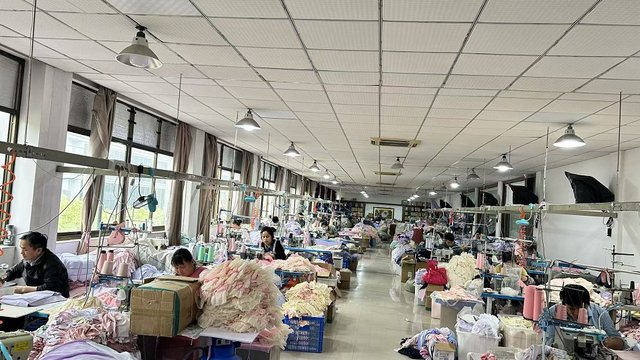
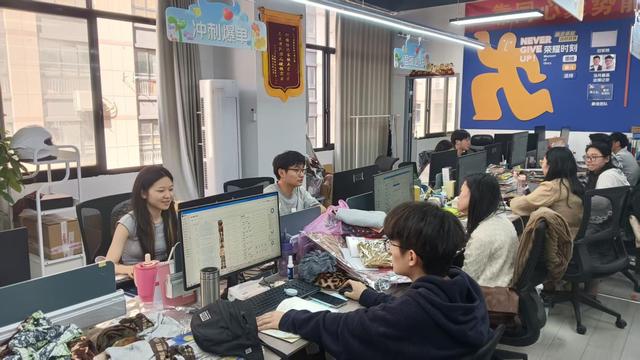
Foshan Yeg Vogue Co., Ltd. stands as a professional China women's apparel manufacturer specializing in the design, development, and production of fashionable, casual, and formal clothing for global fashion brands, wholesalers, retailers, e-commerce sellers, and private label businesses. Situated in Foshan, a core hub of China’s advanced garment manufacturing industry, Yeg Vogue integrates specialized production capabilities, streamlined supply networks, and design processes to offer high-quality apparel solutions for the international market, including Namibia's emerging fashion economy.
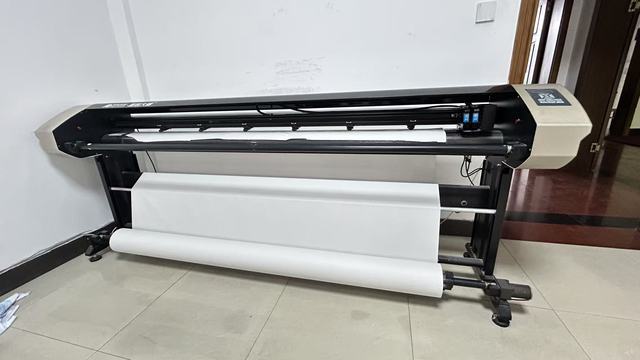
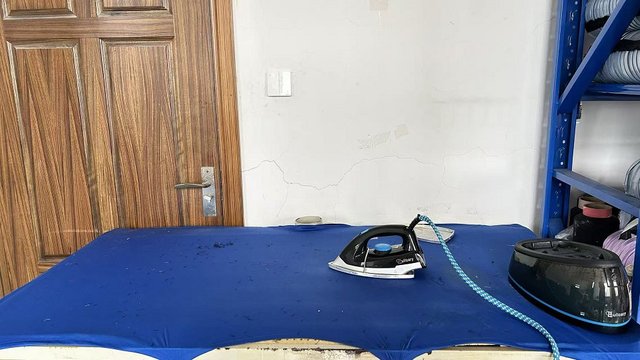
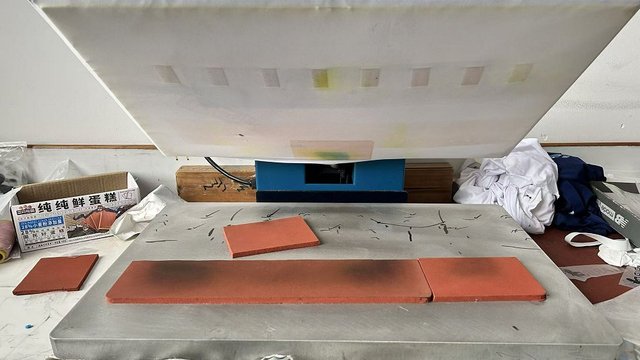
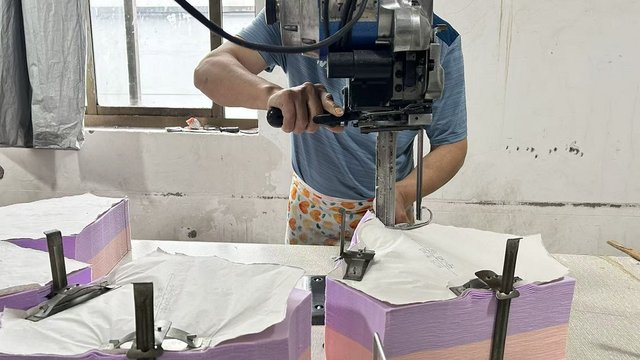
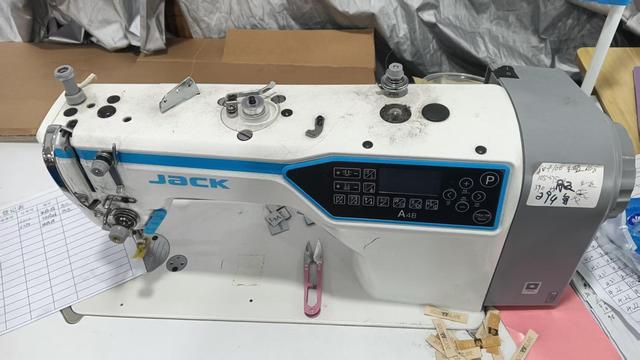
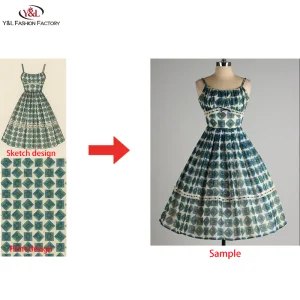
By implementing a modern production workflow, we bridge the gap between initial digital sketches and final product delivery. The integration of high-speed CAD software, computerized fabric spreading, and automated pattern cutters ensures material efficiency while maintaining structural precision. We support both high-volume runs and flexible batch production models (low MOQs for boutique enterprises) to match supply with demand.
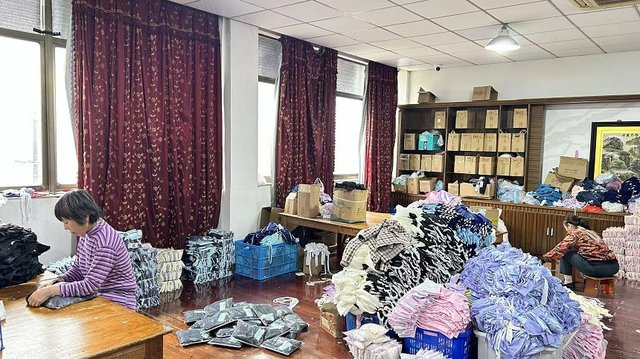
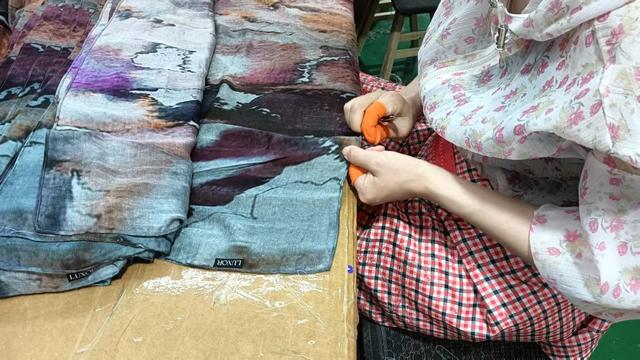
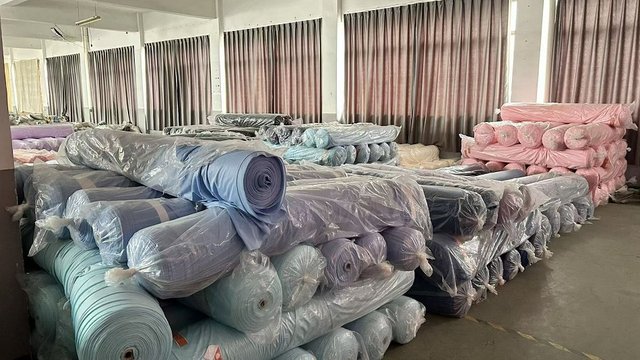
Our manufacturing site employs strict inspection frameworks, checking raw textile characteristics, yarn strength, seam elasticity, and colorfastness under standardized stress conditions. From sample validation to final packaging, every step is managed to comply with international compliance frameworks, ensuring that when garments land in Namibia, they are ready for direct shelf placement.
Navigating the Southern African Customs Union (SACU) import rules is critical. We assist in preparing customs invoices, accurate HS Code classification for knitted and woven categories, and Certificate of Origin documentation to avoid clearance delays at Namibia's customs checkpoints.
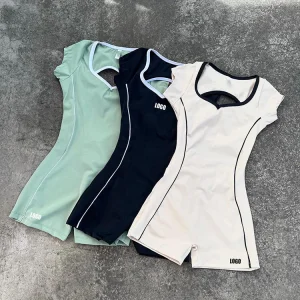
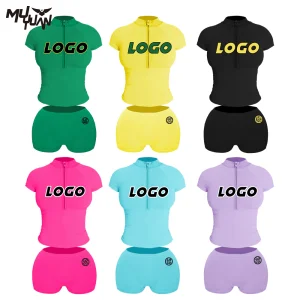
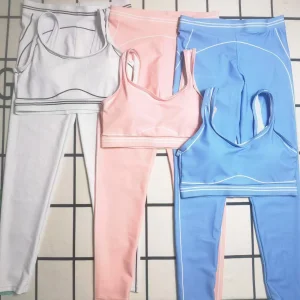
Western and Asian size charts often do not match Southern African demographics. Our design systems support modified sizing guidelines, accommodating broader structural specs for dresses, coordinates, and activewear for a comfortable fit.
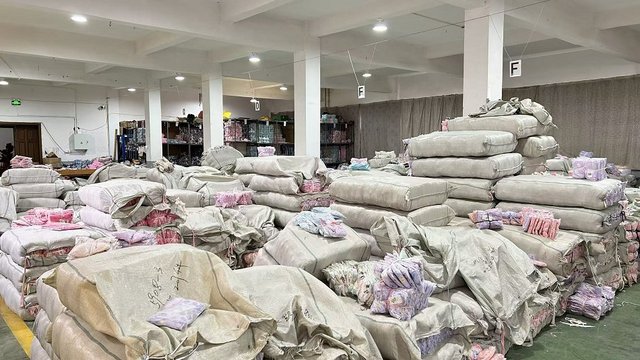
Whether utilizing sea freight to Walvis Bay Port for large volume shipments or air cargo directly to Hosea Kutako International Airport (WDH) for urgent product launches, our logistics desk guarantees secure door-to-port or door-to-door delivery.


The global textile sector is prioritizing environmental responsibility. Our development framework aligns with green standards, utilizing eco-certified cotton, organic bamboo fibers, and recycled polyester blends. For Namibian retailers, this alignment supports compliance with global green standard requirements and appeals to consumers looking for ethically made fashion.
Additionally, we mitigate overproduction challenges through demand-driven prototyping. Utilizing digital twin rendering, our design team produces three-dimensional virtual samples, allowing clients to preview and refine designs before raw materials are cut. This limits waste and ensures that final garments align with custom requirements.
 Yeg Vogue