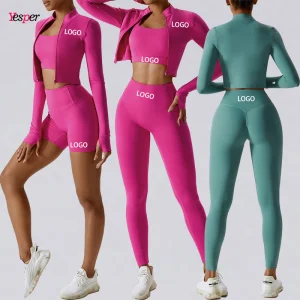
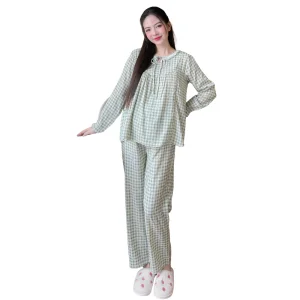
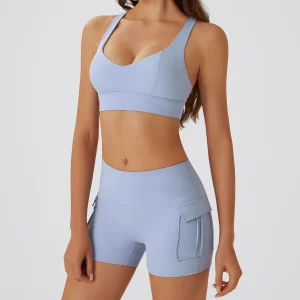
Explore high-performance apparel, advanced structural textiles, and designer collections engineered by leading industrial partners.
Analyzing market dynamics, technical requirements, and global distribution channels for modern athleisure and compression apparel.
The global women’s performance wear sector has transitioned from a specialized niche into a primary engine of the global apparel economy. Historically defined as functional workout gear, performance wear today encompasses complex hybrid categories: athleisure, high-impact athletic support, recovery-focused compression garments, and protective outdoor wear. This paradigm shift is driven by macro-level lifestyle changes, including the integration of wellness into corporate environments, the rise of hybrid work models, and increased participation in specialized sports like trail running, HIIT, and functional yoga.
According to current market intelligence, the global activewear market is projected to cross USD 450 billion in the next few years, with women's categories outstripping growth rates of men's apparel. Supply chains have had to reorganize completely to support this expansion. Speed-to-market, complex fiber matrices, and circular manufacturing are no longer optional additions—they represent structural baselines for top-tier apparel brands.
Application of multi-component yarn matrices including anti-microbial silver-ion treatments, high-gauge interlock structures, and bio-derived synthetics.
Double-digit year-on-year compound growth in functional luxury segments, driven by direct-to-consumer digital channels and performance-driven micro-influencers.
Aggressive alignment with Global Recycled Standard (GRS), OEKO-TEX Standard 100, and Higgs Index metrics to satisfy modern ESG mandates.
Modern buyers expect technical textiles to deliver multi-functional properties. Garments must breathe, wick away moisture, resist odors, and adapt structurally to anatomical movement while remaining opaque (squat-proof). Consequently, factories have shifted from standard CMT (Cut, Make, Trim) models to advanced vertical setups that integrate R&D, fiber extrusion, knitting pattern mapping, and precise post-processing treatments.
Analyzing Chinese manufacturing efficiency, domestic supply integration, and factory-floor infrastructure.
Foshan Yeg Vogue Co., Ltd. represents the next generation of Chinese custom garment manufacturers. Located within Foshan, one of China's core industrial apparel clusters in Guangdong province, Yeg Vogue combines logistical access, advanced mechanical equipment, and rich textile history to serve international brands. Foshan's infrastructure allows for an exceptionally tight supply chain loop—integrating raw fabric sourcing, accessory manufacturing, digital plate printing, and precision dye houses within a single-day logistics radius.
By offering end-to-end ODM and OEM capabilities, Yeg Vogue handles high-level custom designs, private label processes, and large-scale bulk runs. The factory relies on automated computerized systems to guide raw material inspection, pattern cutting, and quality checking, ensuring consistent garment sizing across varying production lots.
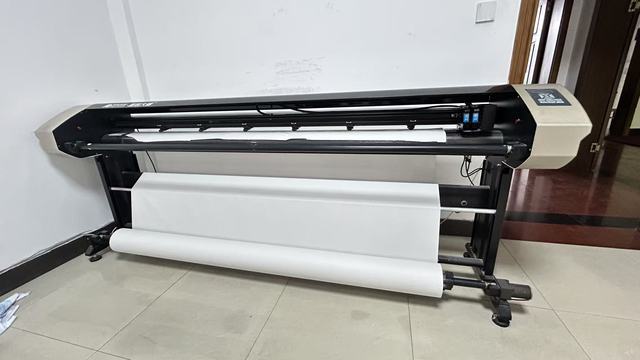
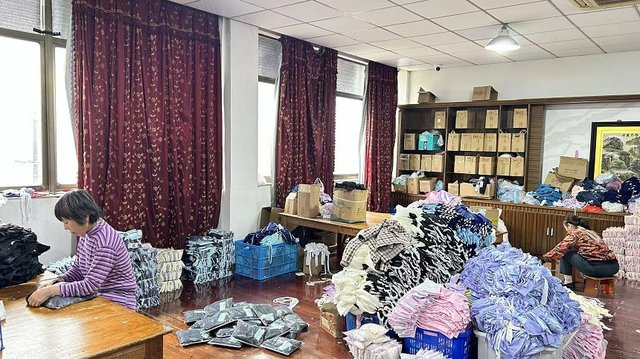
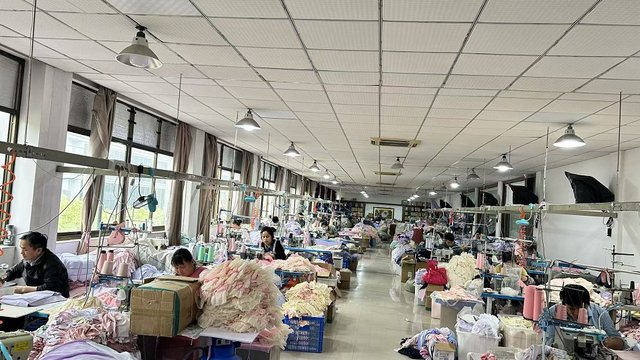

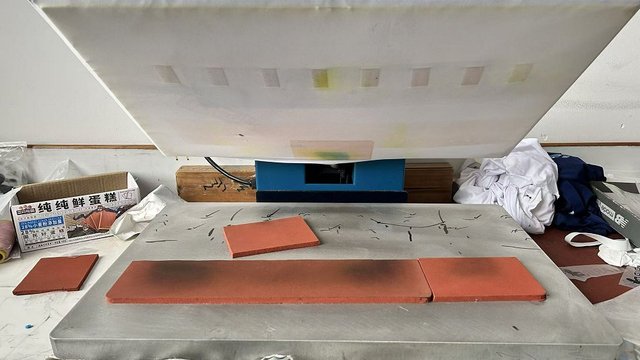
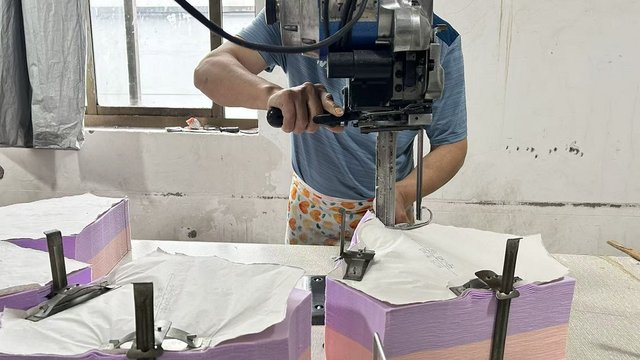
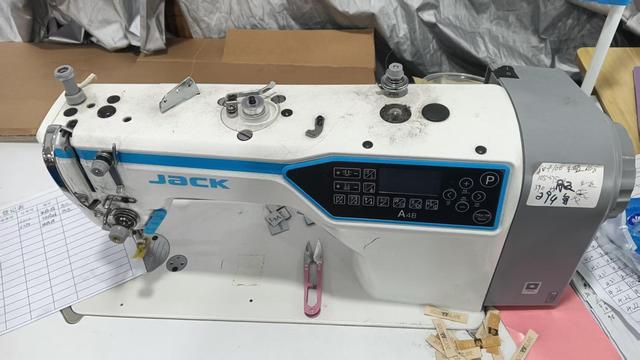
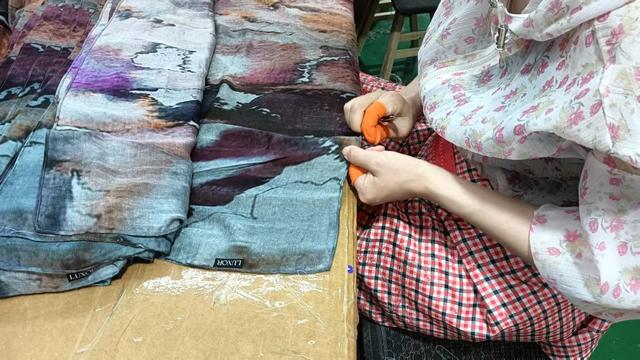
Leveraging Chinese manufacturing technology means looking past basic wage costs and evaluating full-system efficiency. The integrated clusters in Guangdong provide key technical benefits: high-output flatlock sewing machines (essential for chafing-free activewear seams), automated fabric spreading machines that prevent tension errors in spandex-blend textiles, and dynamic laser-cutting arrays that finish thousands of garments with millimeter precision. For international procurement managers, these capabilities reduce cycle times and keep defect rates below standard AQL thresholds.
Matching specific target audiences with precise textile technologies and functional design elements.
Performance wear is not a single product type. An effective product catalog must target specific localized scenarios to meet different consumer expectations. Supply chain managers should classify performance wear into distinct functional categories:
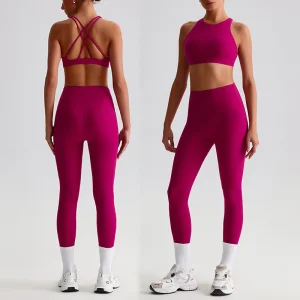
Required for cardio training, HIIT, and running. Fabric weight should fall between 220–280 GSM, utilizing interlock structures with 20-30% spandex for dynamic compression. Features must include flatlock seams, moisture-wicking coatings, and reflective detailing for low-light safety.
Prioritizes comfort and flexibility. Demands soft-touch surfaces (often achieved via micro-modal fabrics, nylon/elastane blend brushing, or luxurious silk and linen blends). Focuses on high waistbands that resist rolling, flat-locked crotch gussets, and high breathability.
Requires technical windproofing, water repellency (DWR), and thermal insulation. Built using multi-layered laminated fabrics, seam-taped pockets, and heavy-duty zippers. Crucial for winter activewear, snow sports, and mountain activities.
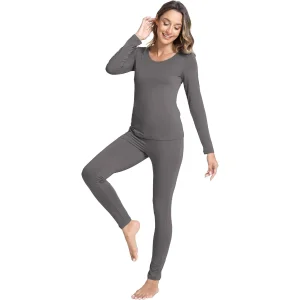
Additionally, modern collections often include lifestyle extensions like comfort-first lounge pants, pajamas, and maternity wear. These items use specialized materials like tussar silk blends or modal knit fabrics to provide skin-friendly, breathable options for off-duty wear.
A structured framework for evaluating and selecting international performance wear suppliers.
Procuring activewear requires assessing factors beyond unit price. Because performance garments rely on elastic stretch and functional finishes, technical issues can lead to customer returns. Enterprise buyers should use the following criteria to audit potential factories:
Ensuring compliance with these standards minimizes defects and ensures high-performance garments meet global regulatory requirements.
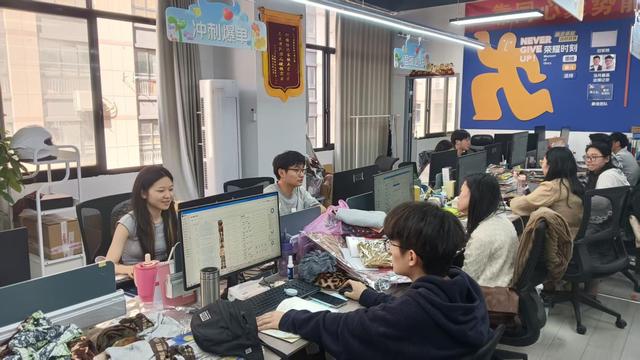
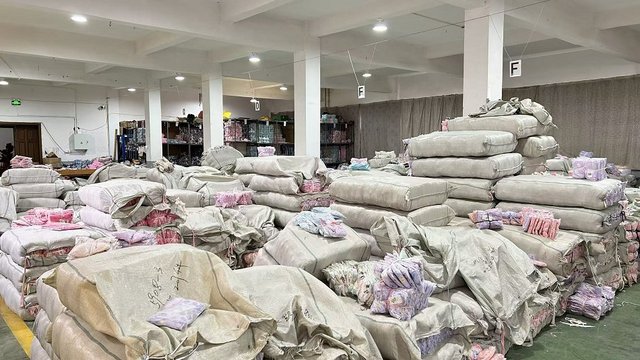
Strategic directions for activewear design, materials, and digital manufacturing processes.
As consumer preferences evolve, brand designers and product managers should monitor these emerging trends:
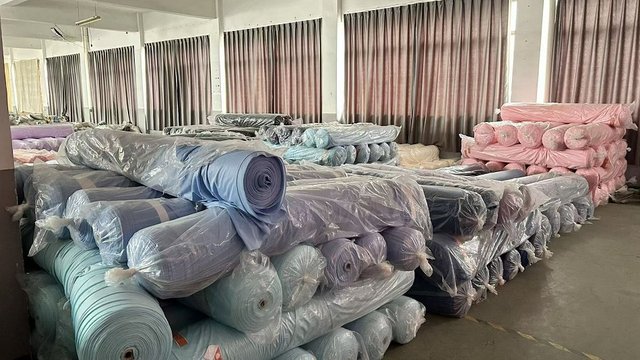
Recycled ocean plastics, bio-spandex, and mono-material constructions are replacing complex, multi-fiber blends that are difficult to recycle. Modern circular models focus on garments designed to be easily shredded and spun back into fresh polyester yarn at the end of their lifecycle.
Seamless circular knitting machines (such as Santoni arrays) produce entire garments in single operations. This reduces cutting waste by up to 30%, eliminates unwanted seams, and allows manufacturers to engineer zones of breathability or compression directly into the fabric layout.
The industry is testing conductive fibers, phase-change temperature materials, and integrated sensors that track heart rate or body heat. While still a premium segment, smart activewear is growing in demand among professional athletes and wellness enthusiasts.
Key information regarding international activewear manufacturing, order minimums, and shipping timelines.
Source related products, specialized garments, and structural fabrics from verified manufacturers.
 Yeg Vogue