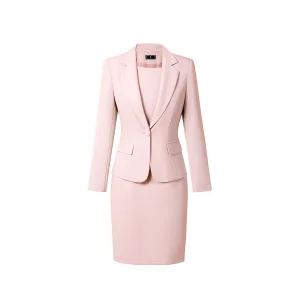
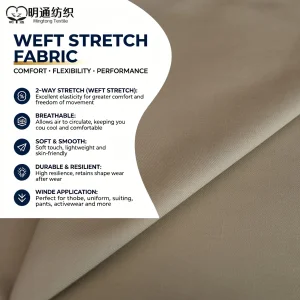
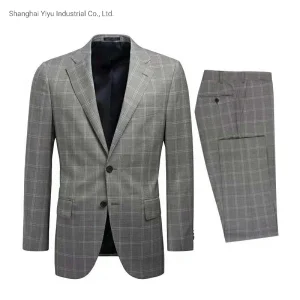
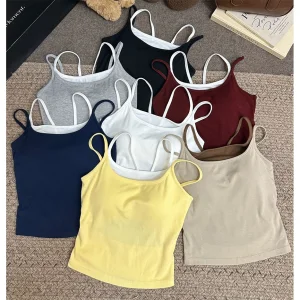
Explore our highly requested commercial patterns, outdoor gear components, and premium custom manufacturing samples ready for global private label deployment.
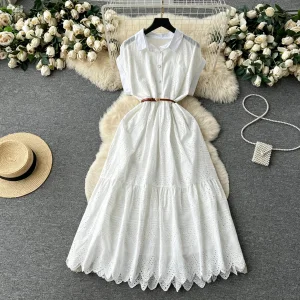
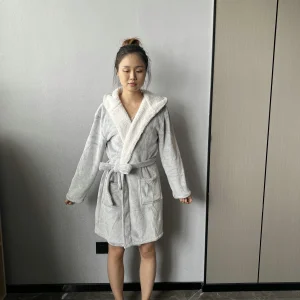

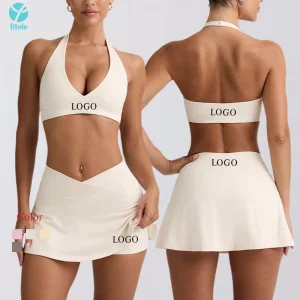
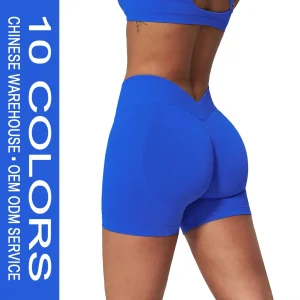
The global women’s outdoor clothing market has shifted from basic aesthetic adjustments—traditionally labeled in the design industry as "pink it and shrink it"—to highly specialized, anatomically tailored, and technologically advanced gear. Today's active female demographic demands apparel that matches the rigorous performance levels of mountaineering, trail running, winter sports, and multi-day trekking, without compromising on ergonomic comfort, weight, or environmental ethics.
For international supply chain managers and sourcing directors, identifying the right manufacturing partner requires evaluating a blend of advanced textile technology, mechanical styling prowess, and verifiable sustainability credentials. High-performance garments like multi-layer shell jackets, seam-sealed hiking trousers, and compression-based base layers call for factory lines capable of complex thermal bonding, laser-cut ventilation, and precise ultrasonic welding.
Female-specific fit configurations require detailed body-mapping technology to optimize breathability, insulation, and articulation areas, particularly across back panels, knees, and underarms.
Advanced knit structures and hydrophilic/hydrophobic fiber combinations draw moisture away from the skin, speeding evaporation and preventing chilling during high-aerobic activities.
Major brands prioritize facilities that carry globally recognized social certifications, ensuring zero exploitation, safe work environments, and transparent labor practices.
Foshan Yeg Vogue Co., Ltd. is a professional China women's apparel manufacturer specializing in the design, development, and production of fashionable, casual, and formal clothing for global fashion brands, wholesalers, retailers, e-commerce sellers, and private label businesses. Located in Foshan, one of China's important garment manufacturing hubs, we combine industry expertise, modern production capabilities, and trend-focused design to deliver high-quality apparel solutions for international markets.
Our product range covers a wide variety of women's apparel categories, including casual wear, business attire, formal wear, contemporary fashion, seasonal collections, knitwear, outerwear, and lifestyle garments. By closely monitoring global fashion trends and consumer preferences, we help customers create collections that align with market demands while maintaining strong brand identity and commercial value.
At Yeg Vogue, quality and consistency are at the core of everything we do. From fabric sourcing and pattern development to sample production, bulk manufacturing, and final inspection, every production stage is managed under strict quality control procedures. Our experienced team works closely with clients to ensure that every garment meets expectations for style, fit, comfort, and durability.
We provide flexible OEM and ODM manufacturing services designed to support both emerging fashion labels and established apparel brands. Whether customers require custom designs, private label production, or large-scale manufacturing, our efficient supply chain and scalable production capacity allow us to accommodate diverse business needs.
Serving clients across North America, Europe, Australia, the Middle East, and other international markets, Foshan Yeg Vogue Co., Ltd. is committed to building long-term partnerships through reliable service, competitive pricing, and innovative apparel solutions. Our mission is to help fashion businesses grow by delivering stylish, high-quality women's apparel that meets the evolving needs of today's global fashion industry.
When vetting factories for high-performance outdoor clothing, buyers must evaluate technical capabilities beyond basic piece-rate costs. Below is the procurement evaluation index:
| Evaluation Parameter | Critical Requirement | Verification Method | Industry Standard Certification |
|---|---|---|---|
| Seam Waterproofing | Water pressure resistance ≥ 10,000mm H2O | Hydrostatic Head Testing (AATCC 127) | ISO 811 Compliant Equipment |
| Material Traceability | Minimum 50% recycled polymer content | Transaction Certificate (TC) Audits | Global Recycled Standard (GRS) |
| Chemical Safety | Zero PFCs, fluorocarbon-free DWR finishes | Mass Spectrometry fiber tests | OEKO-TEX Standard 100 / Bluesign |
| Social Responsibility | Fair compensation, worker safety, legal hours | Third-party structural factory audits | BSCI, Sedex (SMETA), WRAP |
| Stitch Integrity | Flatlock and ultrasonic seamless bonding | Tensile strength pull-tests | ASTM D5034 Grab Test Standards |
The outdoor apparel landscape is experiencing rapid evolution driven by changing environmental regulations and consumer demands. Prominent manufacturers are adopting digital-twin sampling processes and virtual fit avatars to reduce material waste during the prototyping stage. This technological shift shortens the design cycle from months to days, allowing agile brands to capitalize on seasonal trends quickly.
A major focus of our industry roadmap is circular product design. Traditional outdoor jackets combine polyester shells with polyurethane membranes and nylon zippers, making them difficult to recycle. Modern factories are transitiong to monomaterial construction, where the entire garment—face fabric, membrane, insulation, zippers, and threads—is engineered from a single polymer family (typically polyester). This allows end-of-life garments to be ground down and chemically recycled back into virgin-grade fibers without quality loss.
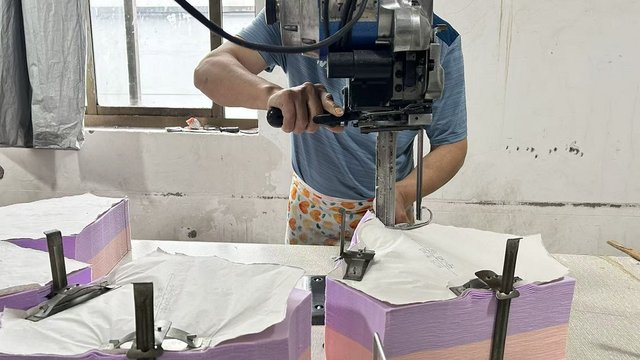
To optimize raw fabric utilization and lower unit costs, leading factories deploy automated laser-cutting systems paired with AI nesting algorithms. These systems automatically lay pattern pieces across fabric rolls to minimize waste, and check for alignment anomalies in patterned or textured fabrics in real-time. This ensures consistent panel alignment and minimizes human error in critical areas such as sleeve panels and hoods.
Implementation of 3D virtual pattern drafting and pressure-mapping software to simulate garment drape and athletic mobility prior to physical fabric cutting.
Complete elimination of long-chain perfluorinated chemicals (PFCs) from DWR finishes, replacing them with plant-based or silicone-based alternative treatments.
Gradual integration of semi-automated robotic sewing for repeatable, high-precision assemblies like pocket flaps, zippers, and elastic bindings.
Understanding regional manufacturing strengths is crucial for optimizing procurement portfolios. Different manufacturing hubs excel at different tiers of production:
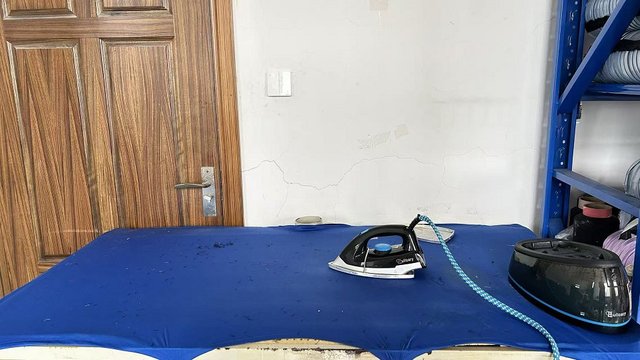
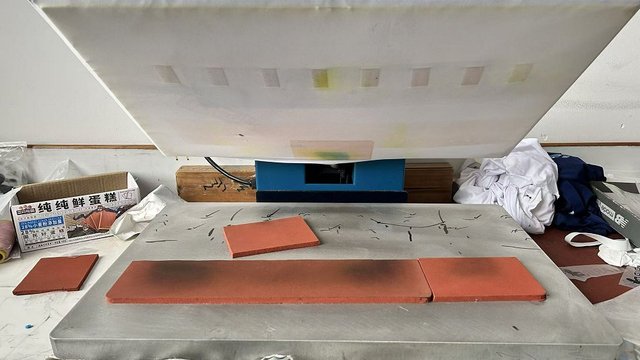
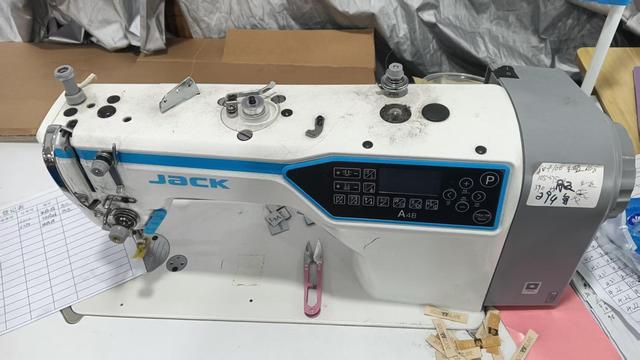
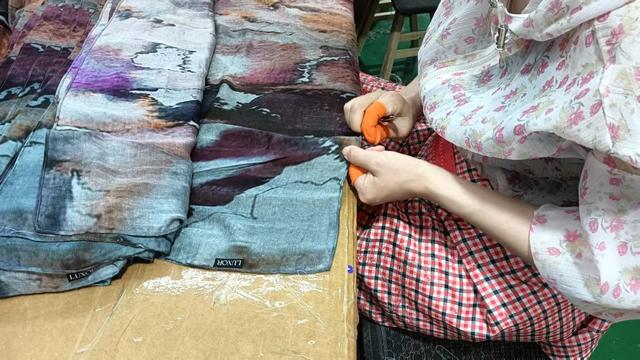
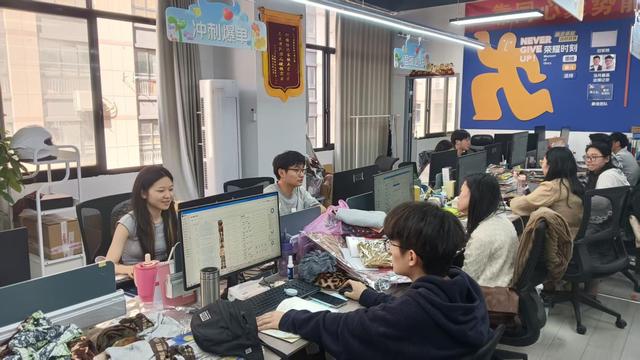
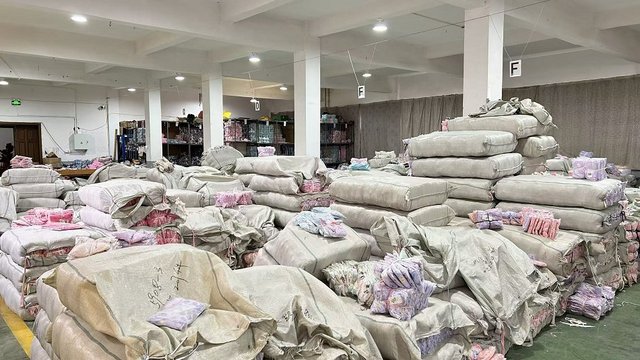
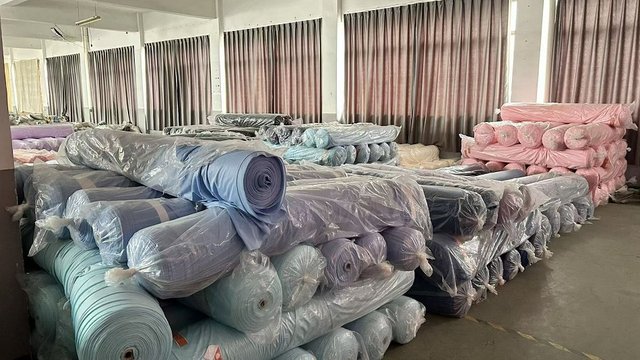
Physical verification of factory conditions, modern assembly lines, warehousing, and quality control systems is a core component of E-E-A-T. Below is the verified visual audit of our active production facilities:
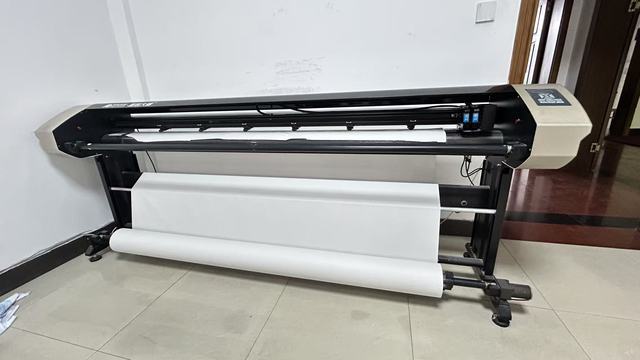
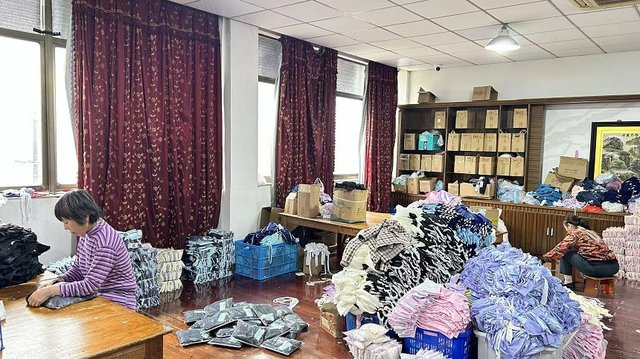
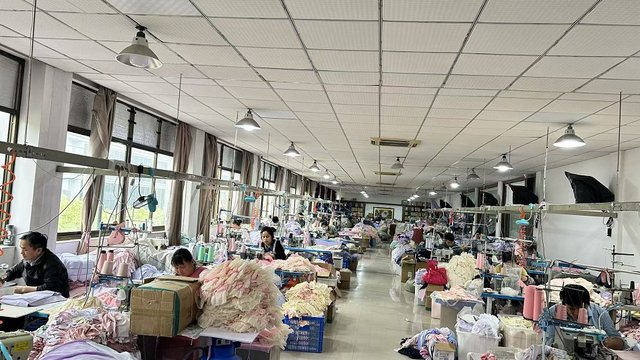
Operating a global supply chain requires managing complex international trade compliance. Our manufacturing structures are integrated with customs compliance teams who understand import regulations across various regions, including North America, Europe, Australia, and East Asia.
We provide full documentation support, including Certificates of Origin (CO) to help clients take advantage of regional trade agreements, complete customs declarations, and detailed fiber breakdown lists. This transparent tracking helps protect shipments from delays at port entries and maintains compliance with ESG directives like the EU Digital Product Passport.
Answers to common technical, logistics, and design questions from sourcing managers and private labels.
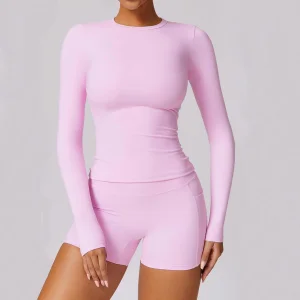
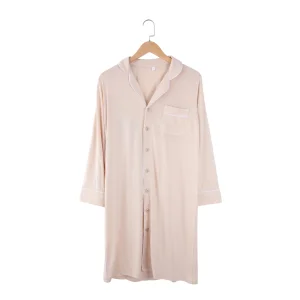
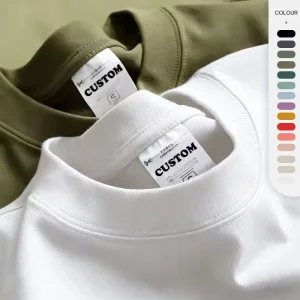
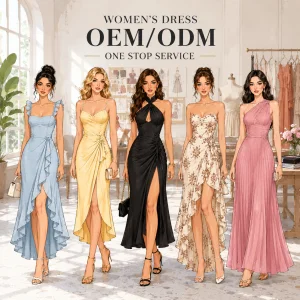
Select items from our performance sports, homewear, and street fashion catalog to request custom manufacturing services.
 Yeg Vogue