Explore our high-performance apparel, sustainable fabrics, and precision-manufactured hardware integrated into the modern retail supply chain.
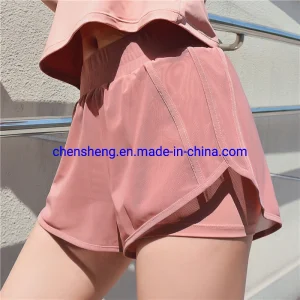
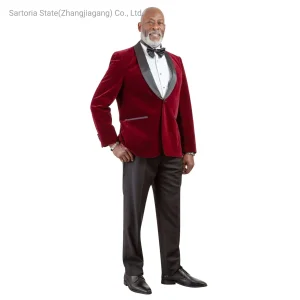

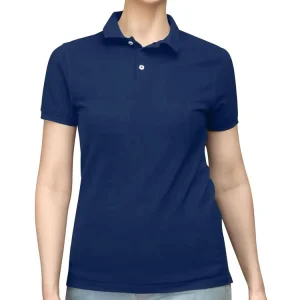
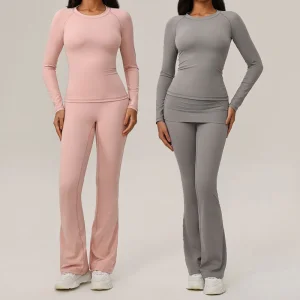
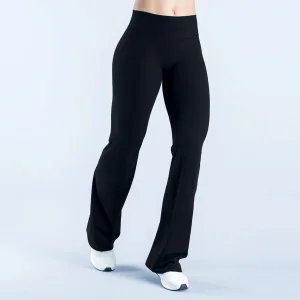
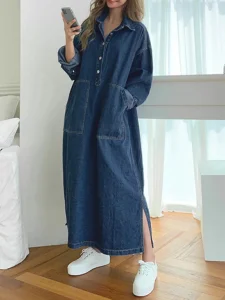
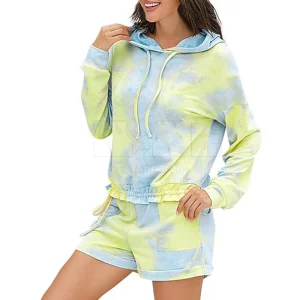
Foshan Yeg Vogue Co., Ltd. is a professional China women's apparel manufacturer specializing in the design, development, and production of fashionable, casual, and formal clothing for global fashion brands, wholesalers, retailers, e-commerce sellers, and private label businesses. Located in Foshan, one of China's important garment manufacturing hubs, we combine industry expertise, modern production capabilities, and trend-focused design to deliver high-quality apparel solutions for international markets.
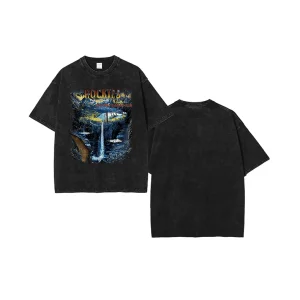
Our product range covers a wide variety of women's apparel categories, including casual wear, business attire, formal wear, contemporary fashion, seasonal collections, knitwear, outerwear, and lifestyle garments. By closely monitoring global fashion trends and consumer preferences, we help customers create collections that align with market demands while maintaining strong brand identity and commercial value.
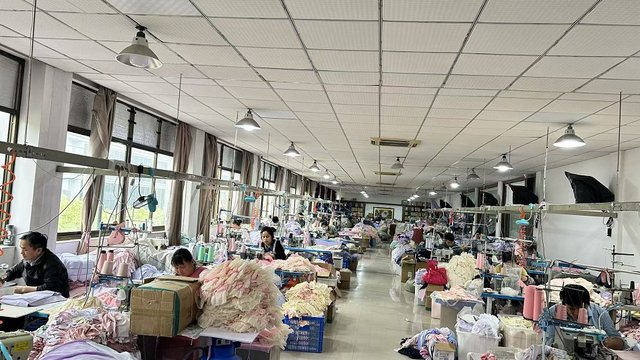
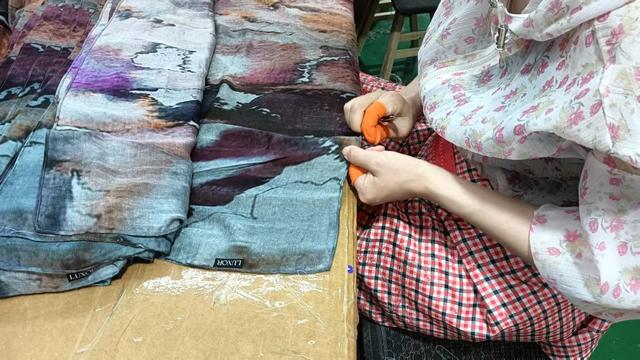
At Yeg Vogue, quality and consistency are at the core of everything we do. From fabric sourcing and pattern development to sample production, bulk manufacturing, and final inspection, every production stage is managed under strict quality control procedures. Our experienced team works closely with clients to ensure that every garment meets expectations for style, fit, comfort, and durability.
We provide flexible OEM and ODM manufacturing services designed to support both emerging fashion labels and established apparel brands. Whether customers require custom designs, private label production, or large-scale manufacturing, our efficient supply chain and scalable production capacity allow us to accommodate diverse business needs. Serving clients across North America, Europe, Australia, the Middle East, and other international markets, Foshan Yeg Vogue Co., Ltd. is committed to building long-term partnerships through reliable service, competitive pricing, and innovative apparel solutions. Our mission is to help fashion businesses grow by delivering stylish, high-quality women's apparel that meets the evolving needs of today's global fashion industry.
Strategic analysis of B2B buying intent, risk mitigation, and optimization models in the global fashion accessories market.
For modern B2B procurers, cost structure control goes beyond unit pricing. Real-time shipping costs, customs clearance efficiency, tariff classification, and packaging volume compression play critical roles in defining final landing margins.
Geopolitical challenges and logisitical congestion demand a diversified sourcing blueprint. Leading procurement executives prioritize factories that offer multi-region raw material backups, ensuring zero disruption in raw fabric supplies.
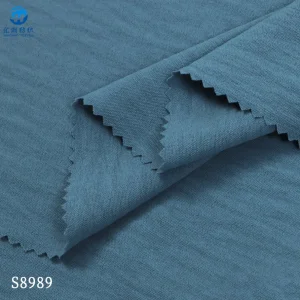
Sustainable raw materials such as RPET (Recycled Polyethylene Terephthalate) crepe and bamboo fibers are shifting from niche to compliance mandates in Western Europe and North America, directly impacting procurement scorecard rankings.
Bridging localized manufacturing capacity with high-velocity global direct-to-consumer networks.
To prevent overstock depreciation, top-tier international brands implement the Quick-Response Model (QRM). By splitting large seasonal orders into small test batches (MOQs starting from 100-300 units), buyers gather market sentiment through real-time conversion data before scaling bulk orders.
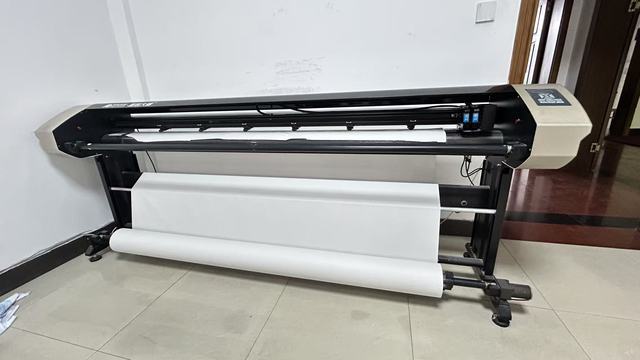
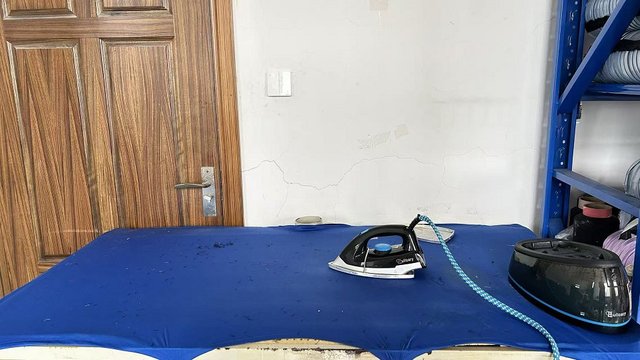
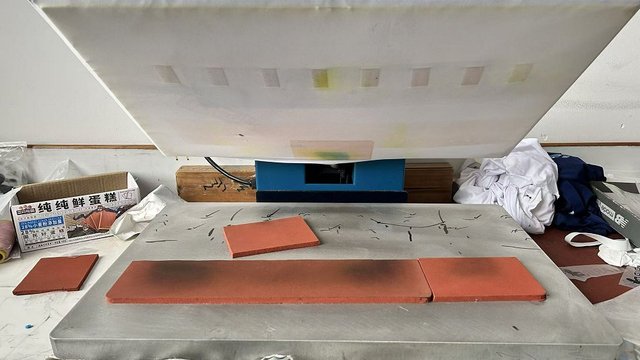
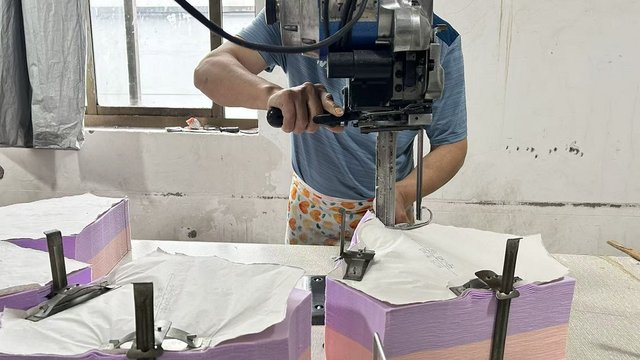
Foshan Yeg Vogue addresses this paradigm by synchronizing pattern digitization, automated nesting, and rapid laser cutting lines, compressing the prototype-to-delivery lifecycle down to 7-10 working days.
Through direct API connectivity with raw dye houses, we secure prioritized dye slots, maintaining strict color consistency across multi-seasonal reorders.
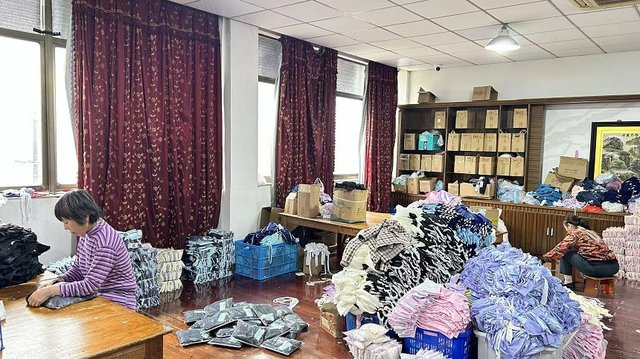
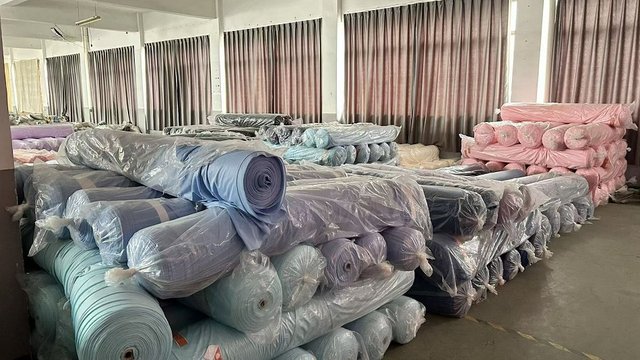
True cost advantages lie in structural verticality. Our facility manages the entire value loop: from yarn procurement and customized weave development (such as our high-performance RPET crepe) to premium design execution, automated packaging, and pre-customs digital documentation.
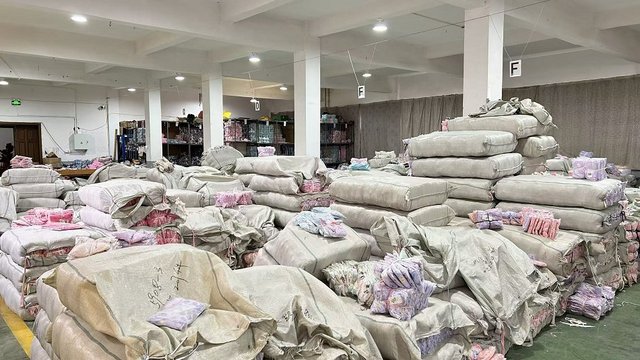
This integration eliminates middleman markups, reduces cargo handling damage, and maximizes transport vessel utilization. Every outbound shipment is packed using dynamic weight-distribution systems to ensure space optimization.
Combining AI pattern layouts, ERP databases, and automated shopfloor monitoring for zero-defect output.
| Technology Phase | Core System Integration | Operational Impact | Target Metric (KPI) |
|---|---|---|---|
| Phase I: Digitization | CAD & 3D Fitting Software, Digital Pattern Archiving | Eliminate physical sample iterations, reduce fabric waste via nesting algorithms. | -45% Prototyping Lead Time |
| Phase II: Automation | Industrial PC MES (like the 12" Fanless Embedded System), Automated Laser Cutters | Real-time machine run-time logging, predictive downtime alert, error-free cut profiles. | 99.98% Dimensional Precision |
| Phase III: IoT Ecosystem | RFID Tagging, Cloud-based ERP & Supply Chain Trackers | Transparent step-by-step progress tracking for overseas B2B clients in real-time. | 100% Tracking Transparency |
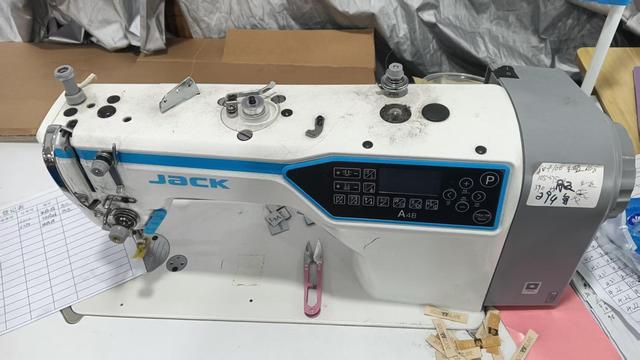
We deploy ruggedized 12" Fanless Industrial Embedded Panel PCs at every vital sewing line node. These systems run light-weight MES software to check yield parameters and minimize delays on the manufacturing floor.
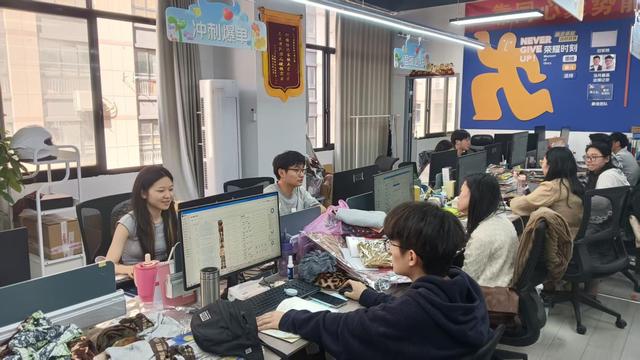
Our computer-aided design division leverages machine learning algorithms to compute fabric yields. By optimized orientation mapping, we achieve a fabric saving of up to 4.5% compared to traditional manual layouts.
Our leftover fabrics and scraps are compressed, shredded, and returned to chemical recyclers for processing into premium RPET yarns, forming a complete circular loop in our ecosystem.
Why China's Pearl River Delta cluster maintains its dominance in apparel and accessory manufacturing.
Foshan is a core industrial cluster within the Pearl River Delta, supported by adjacent logistics hubs in Guangzhou and Shenzhen. This dense network allows us to source specialized trims, technical elastic components, custom woven labels, and eco-friendly packaging within a 50-kilometer radius.
This geographic concentration reduces raw material transit delays, provides rapid access to specialized machinery mechanics, and maintains a stable pool of skilled textile technicians.
By bypassing long inland journeys, shipments reach Shenzhen or Guangzhou ports within 3 hours, offering clients fast transit times to worldwide markets.
Ensuring cross-border compliance through rigorous certifications and strict environmental stewardship.
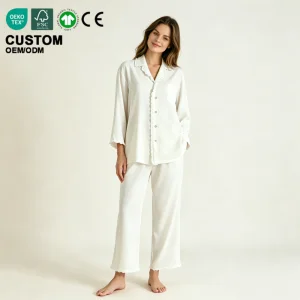
We source only OEKO-TEX Standard 100 certified yarns and dyestuffs, ensuring all fabrics are free from harmful AZO dyes, formaldehydes, and heavy metals. This aligns with EU REACH and US CPSIA compliance rules.
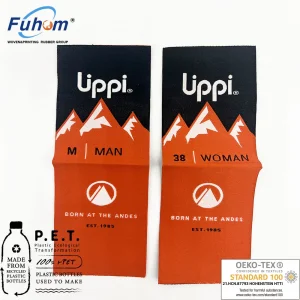
Our RPET sustainable labels and crepe fabrics trace back to verified post-consumer plastics. Every batch comes with a Transaction Certificate (TC) confirming the authenticity of the recycled materials.
We undergo regular third-party BSCI (Business Social Compliance Initiative) and SMETA audits, verifying safe working conditions, fair compensation structures, and ethical practices across our production facilities.
Expert answers to critical technical, logical, and commercial inquiries in apparel manufacturing.
Digital 3D CAD pattern renderings take 48 hours. Physical samples take 5-7 days. Once final tech packs and color codes are confirmed, mass manufacturing takes 25-35 days, depending on fabric complexity and volume.
We supply Transaction Certificates (TCs) issued by accredited testing bodies (like SGS or Intertek) verifying that the fibers meet Global Recycled Standard (GRS) and Organic Content Standard (OCS) requirements.
Yes. Our OEM/ODM service provides complete custom branding, including woven labels, heat-transfer neck prints, customized hangtags, and biodegradable packaging printed with soy-based inks.
Our system uses a four-point inspection method: incoming fabric inspection, inline stitch testing, automated metal needle detection, and final end-line inspection based on AQL 2.5 quality parameters.
We offer FOB, CIF, DDU, and DDP shipping configurations. Our export department manages H.S. tariff codes, Certificate of Origin paperwork, and bill of lading documents to ensure smooth customs clearance.
Yes. We support agile e-commerce sellers with initial trial orders starting from 100 units per color, allowing brands to test market demand before committing to bulk inventory runs.
Select professional apparel systems, sustainable weaves, and industrial monitoring hardware designed for fashion value chains.


 Yeg Vogue