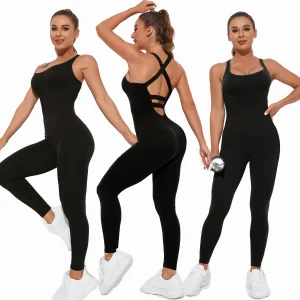
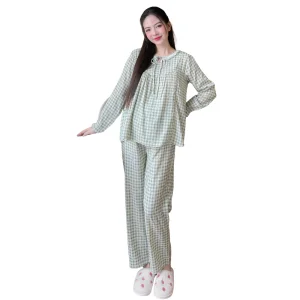
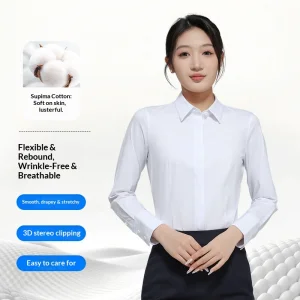
Direct from our high-precision production lines, designed for global fashion brands and high-growth retail businesses.
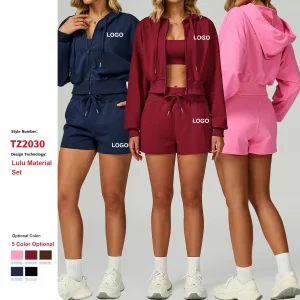

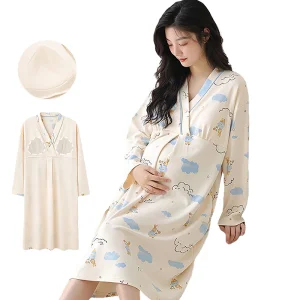
An Industry Whitepaper on Quality, Supply Chain Synergy, and Global Compliance Standards.
The global fashion sector is undergoing a profound paradigm shift. Today's major international retailers, mid-market boutique groups, and digitally native D2C brands are no longer solely focused on reducing per-unit costs. Instead, procurement strategies have pivoted toward supply chain agility, ESG (Environmental, Social, and Governance) compliance, and raw material innovation.
China continues to serve as the structural anchor for this evolving industry. Within China's textile hubs, particularly in Guangdong province, manufacturers have evolved from simple cut-and-sew factories into tech-enabled manufacturing partners. These operators offer comprehensive research, design, pattern-making, and logistics services under a unified umbrella.
As a leading force in this transformation, Foshan Yeg Vogue Co., Ltd. stands at the intersection of traditional manufacturing excellence and modern digital operations. Headquartered in Foshan—a globally recognized apparel cluster—the company offers a full-service manufacturing environment optimized for international markets.
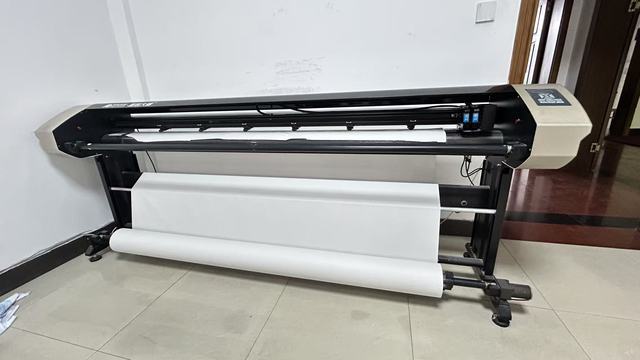
The persistence of China's dominance in the fashion accessories and women's apparel markets stems from structural factors that other regions cannot easily match. The concentration of upstream and downstream enterprises within localized clusters provides massive advantages:
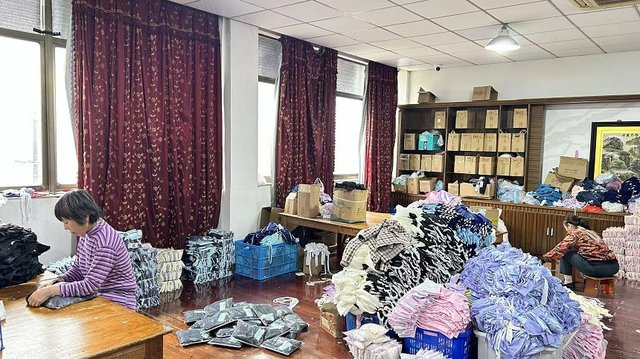
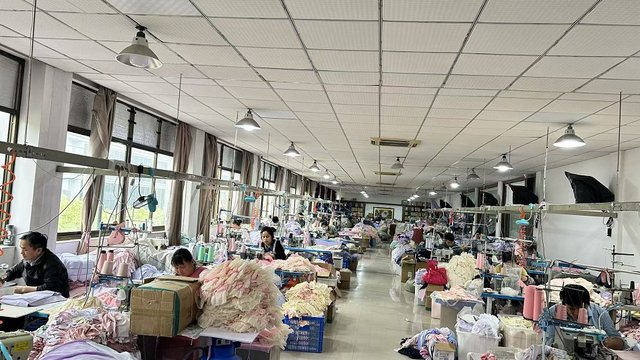
Foshan Yeg Vogue Co., Ltd. leverages this robust industrial base to offer flexible manufacturing systems. Our location allows us to source specialized trims, custom zippers, performance elastic bands, and eco-friendly packaging quickly. This optimization helps protect our clients from supply chain disruptions.
Modern sourcing managers require tailored manufacturing frameworks depending on their in-house capabilities and speed-to-market goals. We divide our services into two core paths:
Under our OEM framework, the buyer provides complete Tech Packs, custom grading rules, specified material requirements, and detailed trim details. This setup is ideal for established fashion labels with in-house design departments. Yeg Vogue executes these blueprints with high-fidelity reproduction, ensuring that the physical product matches the digital schematic.
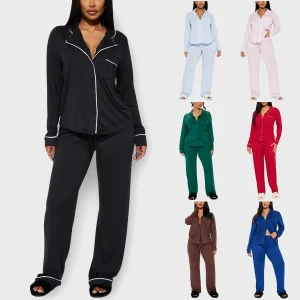
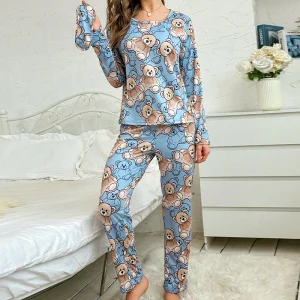
For brands seeking faster market entry, our ODM division provides pre-developed, market-tested apparel templates. Brands can select from our designs and customize them with private labeling, custom embroidery, or localized modifications. This approach reduces design costs and shortens lead times, making it popular for activewear and loungewear.
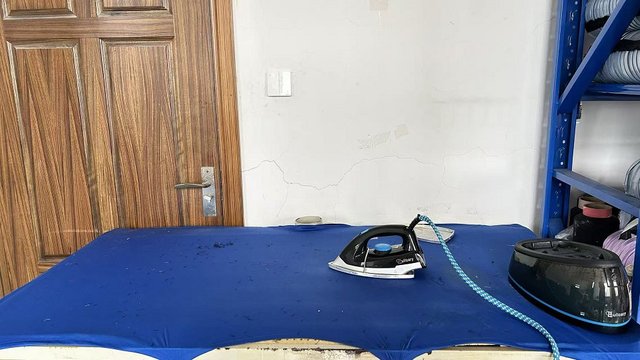
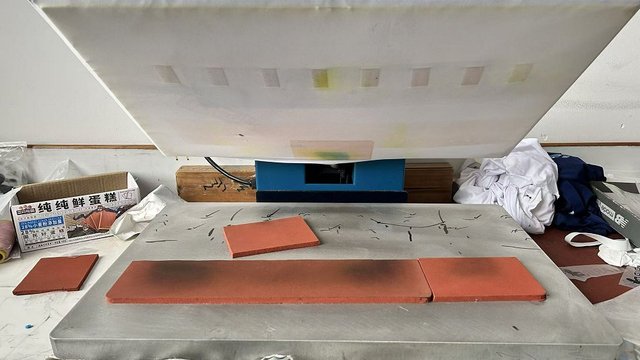
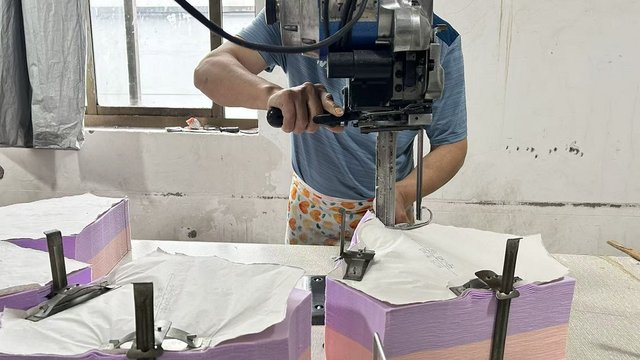
For enterprise-level buyers and large retail groups, compliance is a critical requirement. A single supply chain failure or labor violation can damage brand equity and disrupt retail operations. Enterprise sourcing requires strict adherence to three main pillars:
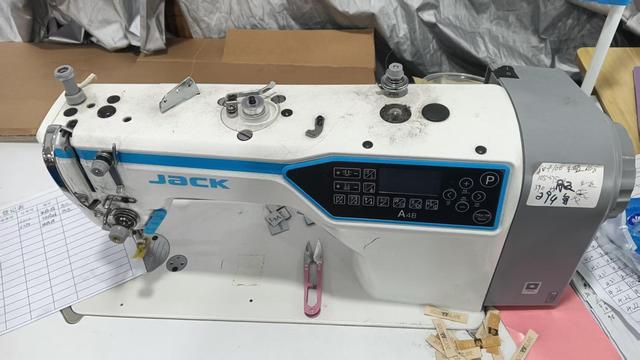
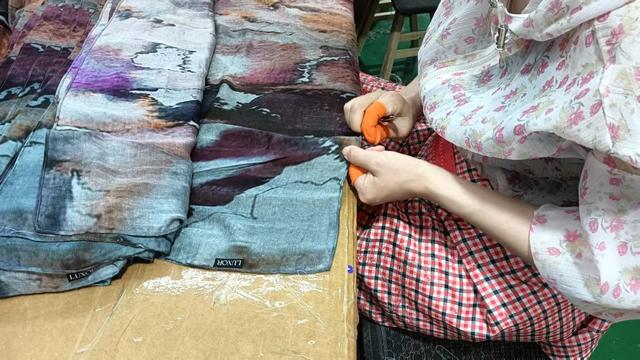
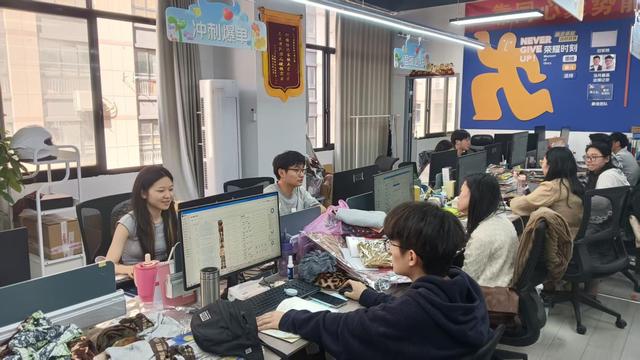
Foshan Yeg Vogue Co., Ltd. implements strict quality control protocols from the initial yarn receipt to the final packaging stage. Our fabric testing laboratory evaluates color fastness, shrinkage under varied heat levels, and fiber composition before cutting. This verification process ensures that our apparel performs well under retail conditions.
The global apparel market is experiencing rapid changes driven by technological innovation and shifting consumer behaviors. These trends are redefining how brands source and manufacture their lines:
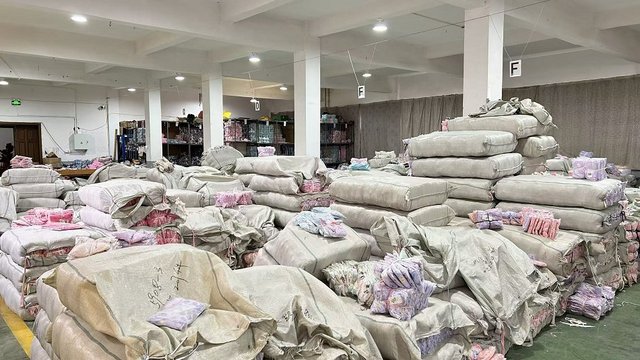
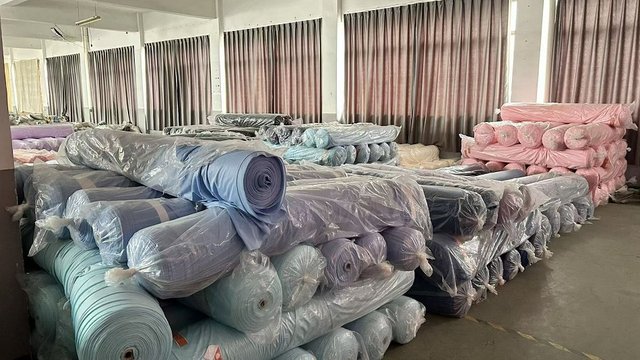
Apparel sourcing is not a one-size-fits-all process. Depending on the target market and sales channel, production requirements vary significantly:
Online brands require flexible product listings and fast replenishment of top-selling items. Sourcing solutions must support lower initial minimum order quantities (MOQs) with fast-turnaround reorder capabilities to manage inventory risk.
Corporate clients sourcing sportswear require durable fabrications that support custom branding. Consistency across large batches and durable construction (such as flatlock stitching for activewear) are critical for these collections.
Foshan Yeg Vogue Co., Ltd. addresses these diverse needs by offering scalable production schedules. We help e-commerce sellers, high-end boutiques, and global retail chains balance manufacturing volume and lead times to optimize inventory performance.
Direct, transparent answers regarding manufacturing operations, logistics, quality compliance, and sourcing timelines.
For typical OEM sample development, the process takes approximately 7 to 10 working days, depending on fabric availability and design complexity. Once samples are approved, bulk production timelines range from 25 to 45 days. This schedule depends on the order volume, fabric type, and the complexity of the design.
Yes. We specialize in custom fabric sourcing and development. This includes specialized moisture-wicking and antimicrobial finishes, seamless knit fabrics, and eco-friendly options. We work closely with certified mills to match color specifications, weight, and performance metrics.
We follow a multi-stage QA/QC process. This includes pre-production testing of raw materials, in-line inspections at the sewing and assembly stages, and final checks using AQL standards before packaging. This systematic approach helps minimize defects in the final delivery.
Yes. We offer comprehensive branding services, including woven labels, heat-transfer neck labels, customized hangtags, and eco-friendly packaging bags. This allows brands to receive retail-ready garments directly from our facility.
We offer multiple payment and trade terms, including FOB, CIF, EXW, and DDP. Transactions can be structured via T/T bank transfers or L/C (Letters of Credit). We work with global freight forwarders to manage sea, air, and express delivery logistics, ensuring safe and compliant transport.
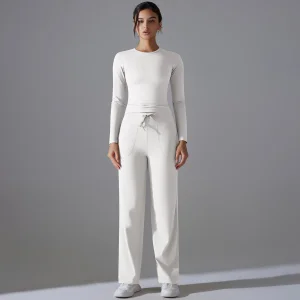
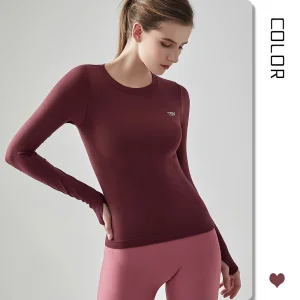
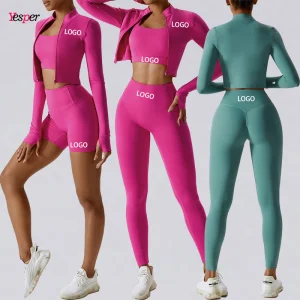
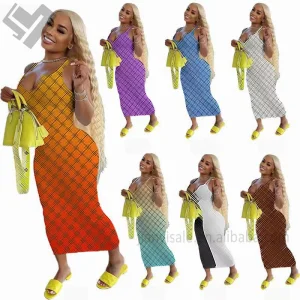
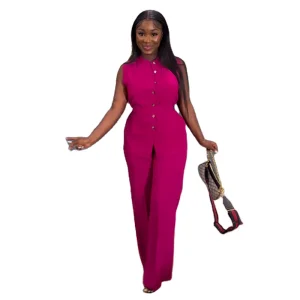
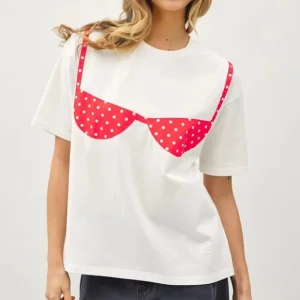
Explore our latest apparel lines optimized for comfort, style, and long-term durability.
 Yeg Vogue