China’s apparel industry is changing, but responsible manufacturing requires more than attractive prices and polished factory photographs. This guide examines ten ethical apparel manufacturers and explains why their practices deserve closer attention. It considers material sourcing, worker protection, factory transparency, waste reduction, and production quality. These details matter when a brand promises clothing that respects people and the environment.
So, why is ethical apparel production important? A low-cost shirt can hide complex consequences. Cotton may involve heavy water use. Dyeing can create polluted wastewater. Poor planning can also produce excess stock, discarded fabric, and unpaid labor risks. Ethical manufacturers address these issues through documented policies, safer workplaces, traceable suppliers, responsible chemical management, and clearer communication with buyers. Certifications can support these claims, but certificates alone are not proof of perfect performance.
This list is not a permanent ranking. Supplier standards, ownership, capacity, and certifications can change. A factory may perform well in one area while needing improvement in another. That is worth admitting. Reliable evaluation should include current audit records, worker feedback, production samples, and direct questions about subcontracting. Brands should also inspect lead times, defect rates, packaging choices, and corrective actions. These practical checks reveal more than marketing language.
The manufacturers discussed here represent different strengths, from organic fabric expertise to small-batch production and export experience. Their inclusion should encourage careful verification, not blind trust. Ethical apparel is a process, not a label. Progress begins when buyers examine evidence and accept responsibility for every stage of production.
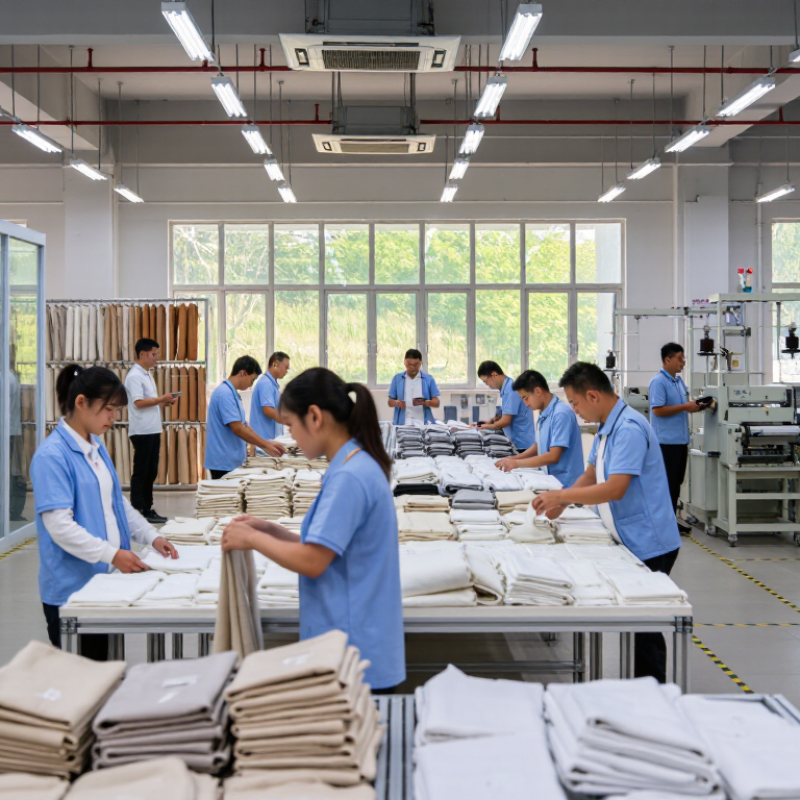
Ethical apparel manufacturing in China means more than compliant paperwork. It begins with how a factory treats people, materials, and local communities. On a real production floor, this may include guarded needles, clear emergency exits, paid overtime, and clean drinking water. Workers should understand contracts in a language they can read. They also need safe channels for complaints. This matters. Ethical production is visible in daily routines, not only in audit reports.
A responsible manufacturer can trace fabric from mill to cutting table. It can explain fiber content, dye controls, wastewater handling, and subcontracting practices. Records should match physical conditions. Independent audits help, but one visit cannot prove everything. Worker interviews, payroll checks, and repeated assessments reveal more. Factory managers may show strong procedures while production pressure creates gaps. That uncomfortable gap deserves attention.
Professional buyers should review corrective actions, training logs, accident records, and supplier capacity before placing orders. They should ask who pays when deadlines change. Ethical manufacturing also includes realistic lead times, fair pricing, and fewer rushed shifts. Some factories invest in energy-efficient equipment, recycled water systems, or safer chemical storage. Progress is often uneven. A facility may improve ventilation yet struggle with transparent subcontracting. Honest reporting is more credible than perfect claims, especially when workers can verify the story.
China Top 10 Ethical Apparel Manufacturers: Why It Matters?
Evaluating ethical clothing factories requires more than polished websites or attractive certificates. During factory visits, I look for clean workstations, visible safety instructions, emergency exits, and workers who can explain complaint procedures. These details reveal daily practice. A responsible manufacturer should provide current records for working hours, wages, age verification, and workplace safety. Independent audits add credibility, but one audit cannot describe every production day.
Environmental standards also matter. Check wastewater testing, chemical storage, fabric traceability, energy use, and waste handling. Reliable factories can show dated documents, supplier records, and corrective-action reports. Certifications may support an evaluation, yet they should never replace direct questions. Standards differ by facility. Some factories perform well in labor protection but remain weak in carbon reporting. That gap deserves honest attention.
Tips: Request recent audit reports and verify their issuing organizations. Speak privately with several workers when possible. Compare payroll records with attendance sheets. Ask how complaints are resolved, not merely whether a hotline exists. Visit during normal production, not only during an arranged tour. I have sometimes trusted documentation too quickly, and that was a mistake. Ethical sourcing is an ongoing review, not a one-time label.
| No. | Evaluation Dimension | Evidence-Based Requirement | Recommended Verification | Why It Matters | Suggested Score |
|---|---|---|---|---|---|
| 1 | Legal Compliance and Transparency | The factory should hold valid business, environmental, fire-safety, and occupational permits, and disclose the production sites used for an order. | Document review, license validation, site audit, and supply-chain mapping. | Legal transparency reduces compliance, sourcing, and reputational risks. | 0–10 |
| 2 | Freedom from Forced Labor | Workers must not be subject to coercion, recruitment-fee debt, document retention, or restrictions on leaving employment, consistent with ILO fundamental principles. | Confidential worker interviews, recruitment-record checks, and payroll review. | It protects worker freedom and supports responsible international sourcing. | 0–10 |
| 3 | Wages, Working Hours, and Benefits | Wages should meet applicable legal requirements, overtime should be recorded and paid correctly, and working hours and rest days should comply with local law and recognized labor standards. | Payroll sampling, time-card comparison, worker interviews, and social-audit records. | Fair compensation and reasonable hours are core indicators of decent work. | 0–10 |
| 4 | Occupational Health and Safety | The facility should provide safe machinery, emergency exits, fire protection, ventilation, personal protective equipment, training, and incident reporting. | Physical inspection, fire-drill records, accident logs, and worker interviews. | Effective safety systems prevent injuries and improve operational resilience. | 0–10 |
| 5 | Environmental Management | The factory should monitor energy, water, waste, emissions, and environmental permits; an ISO 14001-certified environmental management system is a useful supporting indicator. | Permit review, utility records, waste manifests, and environmental-management audit. | Measured environmental controls help reduce pollution and resource consumption. | 0–10 |
| 6 | Chemical and Wastewater Control | Wet-processing facilities should maintain chemical inventories, use restricted-substance controls, train handlers, and treat wastewater before discharge in accordance with applicable requirements. | Chemical inventory review, wastewater test reports, storage inspection, and ZDHC-aligned assessments where relevant. | Controls protect workers, communities, waterways, and product safety. | 0–10 |
| 7 | Responsible Material Sourcing | Material claims should be supported by recognized chain-of-custody or product certifications, such as GOTS for qualifying organic textiles or recycled-content standards for qualifying recycled fibers. | Certificate-scope verification, transaction records, supplier declarations, and mass-balance review where applicable. | Traceable materials reduce misleading sustainability claims and improve impact control. | 0–10 |
| 8 | Quality, Durability, and Repairability | Products should meet documented specifications for colorfastness, dimensional stability, seam strength, labeling, and intended-use durability. | Independent laboratory testing, pre-production approval, final inspection, and defect-rate analysis. | Longer-lasting garments can reduce replacement demand, waste, and total lifecycle impact. | 0–10 |
| 9 | Ethical Governance and Grievance Systems | The factory should prohibit bribery and discrimination, protect whistleblowers, and provide confidential, accessible grievance channels with documented corrective action. | Policy review, grievance-log sampling, worker interviews, and corrective-action verification. | Accountability mechanisms help identify and resolve problems before they become systemic. | 0–10 |
| 10 | Corrective Action and Continuous Improvement | The manufacturer should maintain measurable improvement plans with responsible owners, deadlines, root-cause analysis, and follow-up evidence after audit findings. | Review corrective-action plans, closure evidence, repeat-audit results, and performance trends. | Continuous improvement distinguishes documented commitment from one-time compliance. | 0–10 |
| Total Evaluation Score | 0–100 | ||||
Note: This framework evaluates ethical manufacturing performance through verifiable evidence. Certifications can support an assessment but should not replace independent audits, worker engagement, and ongoing performance monitoring.
China’s top ten ethical apparel manufacturers should be judged by evidence, not polished sustainability language. Strong candidates disclose factory locations, production capacity, audit results, and corrective actions. They also explain how workers receive contracts, safe equipment, regular wages, and protected working hours. Independent inspections matter, but they should not replace ongoing factory communication.
Responsible manufacturers often trace cotton, recycled polyester, dyes, and packaging to documented suppliers. Their facilities may use low-liquor dyeing machines, rooftop solar panels, wastewater treatment, and digital production records. These details make ethical claims easier to test. Sample rooms should also reduce fabric waste through accurate pattern planning and small-batch testing. Quality teams can check seam strength, shrinkage, colorfastness, and repairability before shipment.
No factory is perfect. A supplier may improve energy use while struggling with overtime control or subcontractor visibility. That weakness deserves honest reporting, not hidden language. Buyers should request recent records, worker feedback, environmental permits, and clear remediation timelines. The strongest manufacturers respond with measurable changes. They do not merely display certificates on a wall. Ethical performance can also vary between facilities and seasons. Careful sourcing therefore requires repeated checks, local expertise, and direct conversations with production teams.
China’s top ethical apparel manufacturers are judged by daily worker treatment, not factory photos. China’s garment sector supports millions of jobs, making labor management a major supply-chain issue. The International Labour Organization estimates that more than 60 million people work in textiles, clothing, and footwear worldwide. That scale demands practical controls.
Strong manufacturers record working hours, wages, injuries, and worker turnover. They provide contracts in understandable language and maintain private grievance channels. Worker committees can raise concerns without supervisor pressure. These details matter. The OECD Due Diligence Guidance recommends risk-based checks, remediation, and ongoing supplier engagement rather than one-time audits. Independent interviews are useful, but audit scores can still miss hidden overtime or temporary workers. This is an uncomfortable limitation.
Supply-chain management must reach beyond the cutting floor. Ethical factories map fabric mills, dye houses, trim suppliers, and approved subcontractors. They verify wages, chemical controls, emergency exits, and recruitment practices through documented evidence. The Fashion Revolution Transparency Index has repeatedly shown that supply-chain disclosure remains weak across the industry, with average transparency scores staying below one-third in recent editions. Better Work reports also show that worker-management cooperation can improve workplace compliance. Yet paperwork is not proof. A responsible manufacturer should compare payroll records with worker interviews, repeat assessments, and publish corrective-action progress. Mistakes will happen. The real test is whether management notices them early and fixes them fairly.
Choosing an ethical apparel manufacturing partner requires more than comparing prices and sample quality. A responsible factory should explain where fibers, dyes, and packaging materials come from. Ask for recent audit records, worker safety procedures, wage policies, and production capacity. Clear answers matter.
Visit the facility when possible. Observe ventilation, emergency exits, protective equipment, and the condition of sewing stations. Speak with managers, but also request private worker interviews. Review attendance records and overtime controls. Independent certifications can support your assessment, but they should not replace direct questions. Documents can look perfect.
Reliable partners welcome measurable expectations. Include material traceability, quality testing, delivery dates, and corrective actions in the agreement. Ask how the factory handles wastewater, fabric waste, and rejected garments. Strong communication helps when orders change or a supplier fails to meet a requirement. Silence is a warning.
No factory is perfect. I have learned that ethical progress often involves repeated improvements, not a flawless first inspection. A small workshop may lack polished reporting but show honest practices and steady training. A larger facility may offer better systems yet avoid difficult questions. Compare evidence, listen carefully, and record what remains uncertain. The right partner is transparent, willing to improve, and consistent when nobody is watching.
Supply-chain transparency is a practical indicator when evaluating an ethical apparel manufacturing partner. The aggregate scores below show the average transparency performance of the global fashion industry’s largest 250 brands, based on the Fashion Revolution Transparency Index.
The industry average increased from 21% in 2019 to 26% in 2023, but the overall level remains low. This highlights the importance of selecting manufacturers that can provide verifiable information about worker conditions, suppliers, materials, environmental impacts, and corrective actions.
Source: Fashion Revolution, Fashion Transparency Index 2019–2023. Scores represent the average transparency percentage across the assessed global fashion brands.
Look for clean workstations, visible safety instructions, clear emergency exits, and workers who understand complaint procedures. Details matter.
Request current records for wages, working hours, age verification, attendance, and workplace safety. Compare payroll sheets with attendance records.
No. Audits provide useful evidence, but one visit cannot describe every production day. Conditions can change.
Ask how complaints are resolved, not only whether a hotline exists. Speak privately with several workers when possible.
Request wastewater tests, chemical storage records, energy data, waste records, and documented supplier information. Dated files are more useful.
Ask for supplier records covering cotton, recycled fibers, dyes, and packaging. Traceability should reach beyond a simple written claim.
Accurate pattern planning, small-batch testing, and digital production records can reduce waste. Inspect seam strength, shrinkage, colorfastness, and repairability.
Yes. A facility may improve energy use while struggling with overtime control or subcontractor visibility. That weakness should remain visible.
Review it repeatedly across facilities and seasons. Ethical sourcing is ongoing. I once trusted documents too quickly, and that was a mistake.
Ethical apparel manufacturing in China involves more than producing garments efficiently. It means protecting workers’ rights, providing safe and respectful workplaces, reducing environmental harm, and maintaining transparent supply chains. This article explains why is ethical apparel production important and introduces the main standards used to evaluate responsible clothing factories, including fair labor practices, workplace safety, reasonable working hours, material traceability, waste reduction, and quality consistency.
It also presents a practical overview of ten leading types of ethical apparel manufacturers in China, focusing on their production strengths, sustainability efforts, and responsible management approaches rather than promoting any specific company. Ethical manufacturers support workers through clear policies, training, fair treatment, and reliable communication while cooperating with suppliers that meet consistent social and environmental expectations. For businesses choosing a manufacturing partner, the most important factors include verified standards, production capabilities, transparency, communication, quality control, scalability, and a genuine long-term commitment to responsible apparel production.

Yeg Vogue