Choosing quality women's apparel is essential for anyone wanting to build a lasting wardrobe. Many struggle with how to choose quality women's apparel that stands the test of time. This process begins with understanding the materials, craftsmanship, and fit. Not every trendy piece is made to last. Delving into the details can lead to more sustainable choices.
Consider textures, seams, and overall design when shopping. High-quality clothing often feels different. You might notice it drapes better or maintains its shape. Additionally, the way fabric ages is crucial. Some fabrics wear beautifully, while others lose their charm quickly. Paying attention to care instructions can reveal a lot about the garment's longevity.
Sometimes, we overlook the importance of proper fit. A beautiful dress can feel unwearable if it's not tailored to your body. Reflecting on past purchases can help you identify what worked and what didn’t. When you learn from previous experiences, you build a wardrobe filled with pieces that you truly love and cherish. Remember, quality over quantity is key.
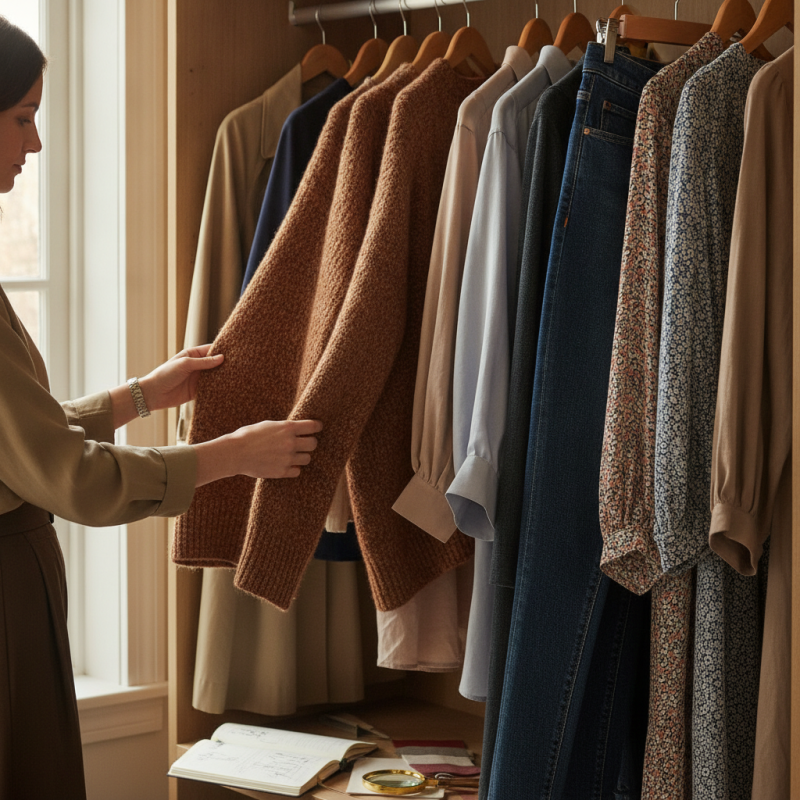
When selecting women's apparel, understanding fabric types is crucial for durability. Natural fibers like cotton and linen are breathable and comfortable. However, they can shrink or wrinkle easily. Synthetic fabrics like polyester are resilient and resistant to fading but may not always provide the same breathability. Blended fabrics often combine the best of both worlds, offering comfort and durability.
Consider weight when choosing fabrics. Lightweight materials work well for summer, but they might lack durability. Heavier fabrics like denim or canvas are typically more long-lasting but can feel hot in warmer months. It’s vital to think about your lifestyle. If you wear clothing frequently, opt for durable fabrics that withstand regular washing and wearing.
Don’t forget about the finish of the fabric. Dyes and treatments can affect how materials wear over time. Sometimes, a low-quality finish leads to fading, while a well-treated fabric will retain its color. Mistakes happen when we disregard fabric care instructions. Always read labels and invest time in proper maintenance. Doing so can extend the life of your wardrobe choices.
| Fabric Type | Durability Rating | Care Instructions | Best Use |
|---|---|---|---|
| Cotton | Medium | Machine wash cold, tumble dry low | Casual wear, shirts |
| Polyester | High | Machine wash warm, do not bleach | Sportswear, dresses |
| Wool | High | Dry clean only | Outerwear, sweaters |
| Linen | Medium | Machine wash cold, iron on low | Summer clothing, blouses |
| Nylon | High | Machine wash warm, tumble dry low | Activewear, tights |
: Natural fibers like cotton and linen are comfortable but can shrink. Synthetic fabrics like polyester are resilient but less breathable.
Lightweight materials are suitable for summer but can lack durability. Heavier fabrics like denim are more long-lasting but can feel hot.
A good fit prevents discomfort. Many women experience negative perceptions due to ill-fitting clothes, affecting longevity.
Look for tight, even stitches with no loose threads. A higher stitch density usually means a stronger garment.
Poorly cared-for fabrics can fade. Always read labels and follow care instructions to maintain your clothes' appearance.
Simple tailoring can improve comfort and fit. A few adjustments may significantly enhance how a garment feels on you.
Flat-felled seams provide strength and reduce fraying. Inspect seams closely for signs of quality.
Comfort varies from person to person. What feels great to one might not feel the same to another; it's okay to experiment.
Document your experiences with fit and fabric types. This knowledge helps you make better choices in the future.
Fast fashion may sacrifice quality for style. Look closely at details to avoid garments with hidden imperfections.
When considering how to choose quality women's apparel, it’s crucial to understand various fabric types, as they play a significant role in durability. Opt for materials known for their strength and longevity, such as cotton blends or synthetic fabrics that resist wear. Additionally, assessing fit and comfort ensures that the garments can withstand regular wear without losing their shape or appeal.
Evaluating stitch quality and construction techniques is also vital, as well-structured pieces tend to last longer. Moreover, familiarizing yourself with care instructions will help extend the lifespan of your clothing, preventing premature damage. Finally, researching brand reputation and sustainability practices can guide you towards choices that not only offer quality but also align with ethical standards. By considering these factors, you can make informed decisions when shopping for women's apparel that lasts.

 Yeg Vogue