Understanding "what is the difference between fashion and apparel" is essential in today’s dynamic clothing industry. Fashion often reflects cultural changes and personal expressions. It is influenced by trends, designers, and even societal movements. Apparel, on the other hand, refers to the actual garments worn by individuals. This distinction is often blurred in conversations.
Fashion can evolve quickly, making it a transient phenomenon. Apparel, in contrast, tends to focus more on functionality and comfort. It encompasses a wide range of clothing types, from casual wear to formal suits. Despite their differences, both terms are frequently used interchangeably. This can create confusion, especially for consumers trying to navigate the industry.
Reflecting on this topic reveals our own relationship with clothing. What we wear can be a statement, a necessity, or simply a choice. Understanding these nuances enriches our appreciation of style and identity. This knowledge can guide purchasing decisions and foster a deeper connection to what we wear daily.
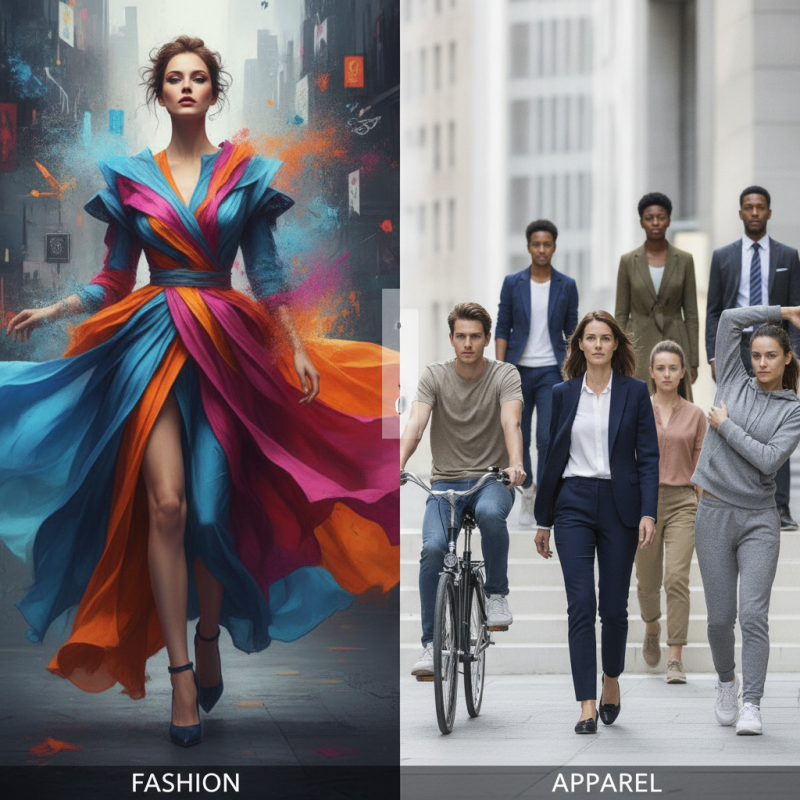
Defining Fashion: A Cultural and Artistic Perspective
Fashion transcends mere clothing. It embodies cultural expression and artistic endeavor. Fashion reflects societal values and shifts, influenced by history, art, and social movements. The global fashion industry, valued at approximately $2.5 trillion, illustrates its economic impact. Trends evolve rapidly, but undercurrents of cultural significance remain constant.
Understanding fashion requires nuanced appreciation. It's not just about clothing styles; it's about identity and self-expression. For instance, studies show that 70% of consumers feel confident when expressing their personal style. This connection between self-image and fashion suggests a deeper, often unspoken relationship.
Tips: Embrace your unique style as a form of art. Experiment with combinations that reflect your cultural background. Connect with local artists or designers to gain insights into the evolving landscape of fashion. Remember, it's okay to step out of your comfort zone. The journey of self-discovery through fashion often leads to unexpected revelations.
Understanding Apparel: The Basics of Clothing and Wear
Apparel refers to the basic items of clothing that we wear daily, ranging from shirts and pants to dresses and outerwear. According to Statista, the global apparel market was valued at approximately $1.5 trillion in 2022 and is expected to grow significantly in the coming years. This growth reflects a constant demand for clothing that is both functional and stylish.
Understanding apparel means recognizing not only the materials used but also the way clothing fits our lifestyles. Recent reports indicate that sustainability is becoming more important in the apparel industry. More than 50% of consumers now prefer brands that demonstrate a commitment to eco-friendly practices. This shift highlights the need for brands to reflect on their production methods and sourcing.
Yet, the industry often struggles with certain challenges. Sizing inconsistencies remain prevalent, impacting consumer satisfaction. Many shoppers face frustration when trying to find the right fit. This disconnect underscores the need for improvement in standardization practices. As we navigate the evolving landscape of apparel, it becomes essential to address these flaws while remaining attuned to consumer preferences.
What is the Difference Between Fashion and Apparel Explained - Understanding Apparel: The Basics of Clothing and Wear
| Category |
Definition |
Examples |
| Fashion |
A cultural phenomenon that encompasses trends, styles, and designs in clothing and accessories, constantly evolving with societal changes. |
Haute couture, runway collections, seasonal trends, celebrity styles. |
| Apparel |
A general term for clothing items that can be worn, encompassing a wide range of garments, including both casual and formal wear. |
T-shirts, jeans, dresses, outerwear, formal suits. |
| Fashion Trends |
Current styles that gain popularity in a given timeframe, influenced by culture, media, and celebrities. |
Athleisure, minimalist fashion, vintage revival. |
| Wardrobe Essentials |
Basic clothing items that are versatile and can be styled in multiple ways. |
White shirt, dark jeans, classic blazer. |
| Seasonal Collections |
Clothing lines released for specific seasons, reflecting the color palette and fabric choices suited for that time. |
Spring/Summer collections, Fall/Winter collections. |
Key Differences Between Fashion and Apparel
Fashion and apparel might seem synonymous, yet they embody distinct concepts.
Fashion represents trends, styles, and cultural statements. It evolves frequently, influenced by art, music, and societal shifts.
Apparel, however, refers to the physical clothing items we wear. It focuses more on the function and practical aspects of garments.
Fashion often reflects individual identity and social status. One may choose a trendy outfit to make a statement at a gathering. In contrast, apparel prioritizes comfort and utility. Everyday wear is a clear example. People wear simple T-shirts and jeans, not always adhering to the latest styles.
Understanding this difference can be challenging. Many feel pressured to follow fashion trends, sometimes overlooking personal taste. This dynamic can lead to overconsumption and disconnection from one’s true style.
It is worth reflecting on how adventurous or restrictive one feels within the realm of fashion versus the practicality of apparel.
Striking a balance between both can enhance personal expression while maintaining comfort.
The Role of Trends in Fashion versus Apparel
Fashion and apparel often intertwine, yet they serve different purposes. Trends play a crucial role in fashion, influencing what people wear. Fashion is about self-expression and creativity. Each season brings new colors, designs, and styles. These trends dictate what garments become popular and how they are worn. Social media significantly amplifies these trends, making them accessible to a broader audience.
On the other hand, apparel focuses on practicality and functionality. It encompasses everyday clothing and serves a more utilitarian role. While trends can influence apparel, they do not define it. Many people prioritize comfort and durability over fleeting styles. It's essential to reflect on our choices in apparel. Are we buying clothes for trends or genuine need? Trends can overshadow personal preferences, leading to a closet full of items we rarely wear.
Comparison of Fashion Trends vs. Apparel Sales Over the Past 5 Years
The Impact of Fashion on the Apparel Industry
Fashion significantly influences the apparel industry, shaping trends and consumer behavior. According to the Global Fashion Industry Statistics report, the global apparel market was valued at around $1.5 trillion in 2020. This number is expected to reach $2 trillion by 2026. Such growth underscores the power of fashion in driving sales and innovation within apparel.
Fashion trends can change swiftly. For instance, the rise of sustainable fashion reflects a growing consumer concern for environmental issues. A 2021 McKinsey report highlighted that 67% of consumers consider the use of sustainable materials crucial when choosing apparel brands. This shift pushes the apparel industry to adopt eco-friendly practices. Brands must adapt to these demands quickly to maintain relevance.
Tip: Stay updated on fashion trends by following industry reports. Check sources like Statista and McKinsey for reliable data.
Notably, the gap between personal style and mainstream fashion can create dissonance. Many young consumers feel overwhelmed by fast fashion's rapid turnover. They seek authenticity and unique pieces. The challenge for brands lies in balancing fast production with sustainable practices.
Tip: Focus on quality over quantity when purchasing apparel. This choice not only supports sustainability but also ensures longevity.
Conclusion
The article "What is the Difference Between Fashion and Apparel Explained" delves into the nuanced distinctions between fashion and apparel, emphasizing their cultural and artistic dimensions. Fashion is defined as an evolving expression of personal and societal values, often influenced by trends and creativity, whereas apparel refers to the basic structures of clothing designed for wear.
Key differences include the emphasis on innovation and style in fashion, as opposed to the functional and practical aspects of apparel. Furthermore, the article explores how trends play a significant role in shaping the fashion landscape, impacting consumer choices and the broader apparel industry. Ultimately, understanding what is the difference between fashion and apparel enhances our appreciation of both concepts and their interrelatedness in our daily lives.

 Yeg Vogue