How to Care for Women's Apparel to Ensure Longevity?

Time:2026-08-07 Author:Madeline
0%

Caring for women's apparel is crucial for maintaining its quality and longevity. According to Lisa Hartman, an expert in textile care, "Proper garment care ensures your wardrobe lasts longer and looks its best." To understand how to care for women's apparel properly, it's essential to start with the basics. This includes washing, drying, and storing techniques tailored to different fabric types.

Many women often overlook the specific instructions on clothing labels. These tags provide vital information that can prevent damage. For example, some garments require cold water washes, while others may need air drying. Ignoring these details can lead to fading colors or fabric distortion.

Using the right detergents is another aspect to consider. Some products may be too harsh for delicate fabrics. Additionally, frequent washing can wear down the fibers over time. Finding a balance between cleanliness and garment care is key. By reflecting on these practices, you can help your wardrobe endure the tests of time.
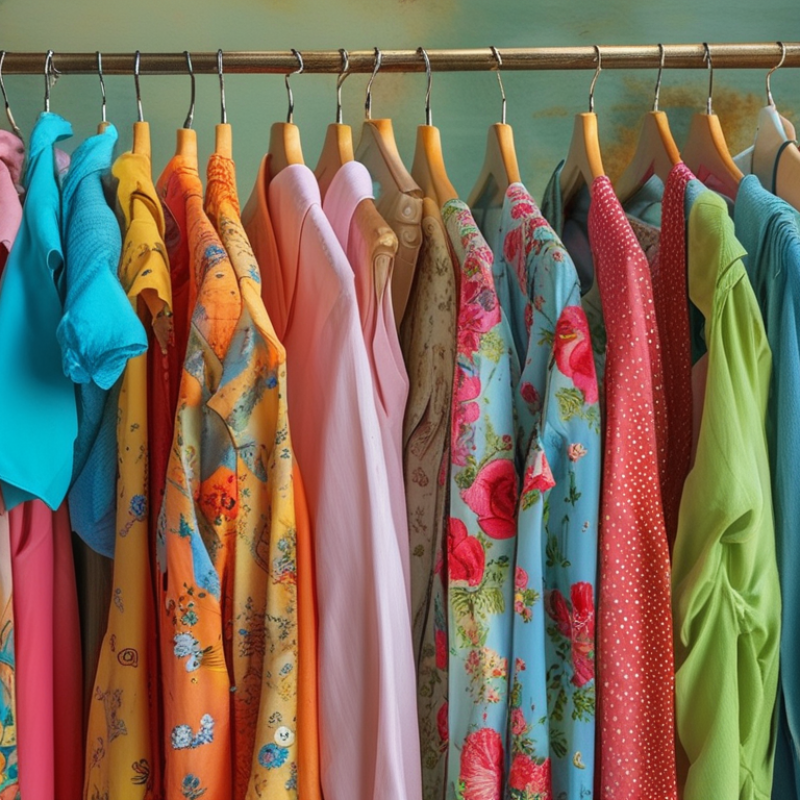
How to Care for Women's Apparel to Ensure Longevity?

Choosing the Right Fabric: Understanding Material Care Requirements

When it comes to women’s apparel, choosing the right fabric is crucial for longevity. Different materials require varying care methods. Cotton is breathable and comfortable but can shrink in hot water. Wool, on the other hand, is warm and resilient but needs special attention to avoid felting. Understanding these characteristics is essential for maintaining your wardrobe.

Synthetic fabrics offer durability and easy maintenance. However, they often trap heat and moisture. This can lead to odors and mildew growth. Natural fibers, like linen and silk, provide elegance but require delicate handling. It’s common to overlook care labels, assuming they all share the same requirements. Sometimes, we mix up settings or ignore washing methods, leading to premature wear.

Pay attention to the care instructions specific to each fabric type. Washing at the right temperature can prevent damage. Regularly check for pilling or fading. These details, often neglected, can significantly impact the lifespan of your favorite pieces. Reflecting on past laundry mistakes can help improve future garment care. The goal is to enjoy your apparel longer while saving money and resources.

Proper Washing Techniques for Women's Apparel: Dos and Don'ts

Washing women's apparel requires careful attention to detail. Start by sorting clothes by color and fabric type. Dark colors should be washed separately. Delicate fabrics like silk and lace need special care. Use a mesh bag for these items to prevent snagging.


When it comes to washing techniques, always check care labels. They provide crucial washing instructions. For most clothes, cold water is ideal. It helps prevent shrinking and fading. Avoid dryer heat; air drying is gentler. Hang clothes in well-ventilated areas. This method helps maintain their shape and elasticity.


Avoid using bleach on colored fabrics. It can lead to irreparable damage. Instead, opt for gentle detergents. Revise your washing habits if clothes fade or lose their structure quickly. Learning the right techniques can enhance the longevity of your wardrobe. Remember, not every piece will age gracefully. Regularly reassess your methods for the best results.

Drying Methods that Preserve the Shape and Texture of Clothing

Drying your women's apparel properly is essential for maintaining its shape and texture. The wrong method can lead to stretching, shrinking, or loss of quality. Air drying is often the best option. Hanging your clothes on a line keeps them in shape. Use clips that do not leave marks. This simple step can save your garments from unintended damage.

Another effective drying method is laying clothes flat on a clean towel. This technique is ideal for delicate fabrics like wool or silk. The towel absorbs excess water without distorting the garment. Just remember to reshape the item while it’s damp. Avoid direct sunlight, as it can cause fading and weaken fibers over time.

Tips: Always check the care label before drying. Some fabrics may require special handling. If using a dryer, choose a low heat setting to avoid heat damage. It’s better to be cautious than ruin your clothing. Review your drying routine occasionally. You may discover more effective techniques along the way. Small changes can lead to significant improvements in your clothes' longevity.

How to Care for Women's Apparel to Ensure Longevity? - Drying Methods that Preserve the Shape and Texture of Clothing

Drying Method Benefits Best For
Air Drying Preserves fabric shape and texture, reduces shrinkage Delicate fabrics, knits, and items with embellishments
Flat Drying Maintains garment shape, prevents stretching Sweaters, heavy fabrics, and items that tend to sag
Hanging Drying Quick drying, suitable for lightweight garments T-shirts, blouses, and pants
Tumble Drying (Low Heat) Speeds up drying time, softens fabric Cotton blends and items that are safe for tumble drying
Dryer Balls Reduces drying time and prevents clumping General use for most fabrics

Ironing and Steaming Tips to Maintain Fabric Integrity

Maintaining the integrity of women's apparel requires careful handling during ironing and steaming. Always check the fabric label for the appropriate setting. Delicate materials like silk need lower temperatures, while cotton can withstand higher heat. Using a pressing cloth can prevent direct contact with the iron, reducing the risk of burns.

Steaming is another effective method. It’s gentle and helps remove wrinkles while preserving fabric texture. Hold the steamer a few inches away from the garment. Never rush this process; patience allows the steam to work its magic. However, be cautious. Over-steaming can lead to water spots or damage fibers.

Practice makes perfect. Sometimes, you might end up with creases instead of smooth fabric. It’s okay to learn from these mistakes. Experimenting with different fabrics teaches valuable lessons. Every piece of clothing has unique needs, and understanding them takes time. Focus on these techniques, and your wardrobe will last longer.

Storage Solutions to Prevent Damage and Preserve Quality Over Time

Proper storage is vital for maintaining women’s apparel over time. According to a report by the Apparel Care Institute, over 70% of clothing damage occurs during storage. Improper methods can lead to fabric deterioration and loss of shape. Avoid damp environments; they promote mold and mildew. Instead, choose a cool, dry place to keep clothes.

Use breathable garment bags instead of plastic. This allows air circulation, preventing musty smells. Fold heavier items like sweaters to avoid stretching. For delicate fabrics, padded hangers provide extra support. Remember not to overcrowd your closet. This can cause wrinkles and distort garments’ shapes.

**Tip**: Regularly inspect your clothing for any signs of wear. Catching small issues early can prevent bigger problems later. Rotate seasonal wardrobes to allow fabrics to breathe and retain their integrity. Storage isn't just about space; it’s about quality care and long-lasting wear.

How to Care for Women's Apparel to Ensure Longevity

FAQS

: What should I consider when choosing fabric for women's apparel?

: Different fabrics require different care. Cotton is comfortable but can shrink. Wool needs special handling to avoid felting.

How do synthetic fabrics compare to natural fibers?

Synthetic fabrics are durable and easy to maintain. However, they can trap heat and moisture, leading to odors.

Why is it important to follow care labels?

Care labels provide specific instructions. Ignoring them can lead to premature wear or damage to your clothing.

What can I do to prevent my clothes from fading?

Avoid direct sunlight when drying. Sunlight can weaken fibers and cause fading of colors over time.

How should I dry delicate fabrics?

Lay delicate fabrics flat on a clean towel. This absorbs water without distorting the garment's shape.

What's a common mistake people make with laundry care?

Many overlook the importance of washing settings, leading to damage. Reflecting on past mistakes can help improve care.

Is air drying better than using a dryer?

Air drying preserves shape and texture. It prevents stretching or shrinking, especially for delicate materials.

How often should I review my drying routine?

Regularly reviewing your routine can reveal better techniques. Small adjustments can enhance the longevity of your clothes.

What happens if I mix up washing methods?

Mixing washing methods can cause damage. Follow fabric-specific instructions to avoid issues and maintain quality.

Can drying methods affect the lifespan of my clothing?

Yes, incorrect drying can lead to loss of quality. Proper methods help clothes maintain their original shape and texture.

Conclusion

To ensure longevity, it is essential to understand how to care for women's apparel properly. This begins with choosing the right fabric, as different materials have unique care requirements that affect their durability. Proper washing techniques, including knowing the dos and don'ts, play a crucial role in maintaining the garment's quality. Additionally, selecting appropriate drying methods helps to preserve the shape and texture of clothing, preventing unwanted shrinkage or stretching.

Ironing and steaming tips are vital for maintaining fabric integrity without causing damage. Finally, implementing effective storage solutions can prevent wear and tear, safeguarding your clothing for years to come. By following these guidelines, you can significantly enhance the lifespan of women's apparel, ensuring that each piece remains in excellent condition over time.

Madeline

Madeline

Madeline is a dedicated marketing professional with a wealth of expertise in our company's core offerings. With a keen understanding of the industry, she brings a unique perspective to her role, consistently delivering high-quality content that highlights the superior aspects of our products. As......