Choosing the right fabrics is crucial for women's apparel. It directly affects comfort and style. Many women wonder, "what fabrics are best for women's apparel?" With countless options available, selecting suitable materials can be overwhelming. The right fabric not only influences fit but also impacts how a garment feels against the skin.
Different fabrics offer various benefits. For example, cotton is breathable and comfortable, while polyester provides durability and easy care. Silk offers a luxurious touch but may require more maintenance. Understanding the characteristics of each fabric type helps in making informed choices. Each fabric has unique pros and cons. Some may be more difficult to care for, while others might not have the same longevity.
In the fashion world, trends change rapidly. What is popular today may not be in style tomorrow. Many women find themselves reflecting on their choices. They may question if they are making the best decisions for their wardrobe. Ultimately, exploring the best fabrics for women's apparel leads to smarter, more satisfying choices.
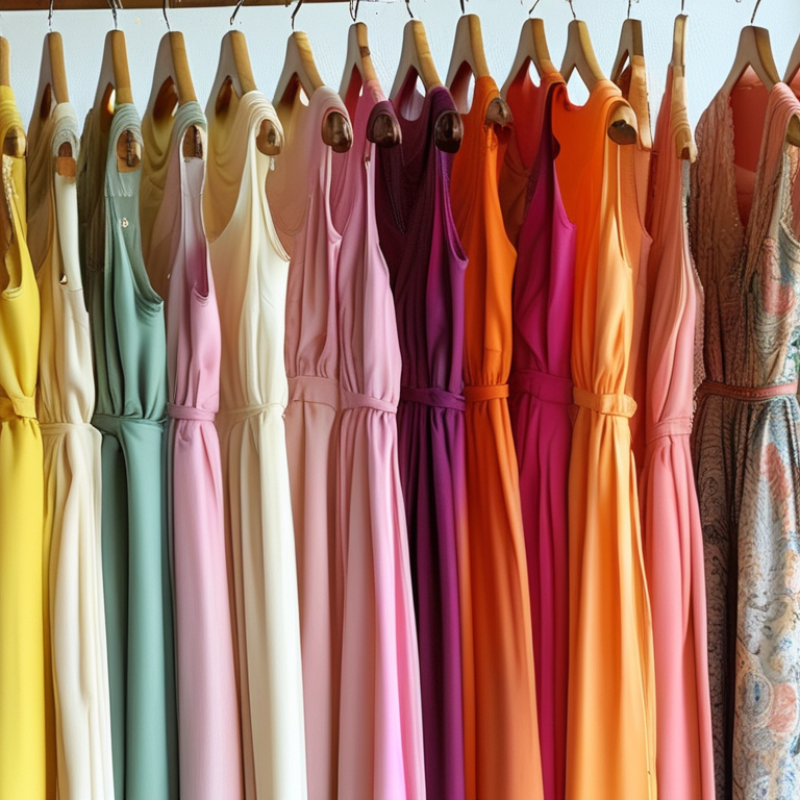
Understanding Different Types of Fabrics for Women's Apparel
When selecting fabrics for women's apparel, understanding their properties is crucial.
Natural fibers like cotton and
linen are breathable and comfortable.
Cotton is often favored
for summer wear due to its moisture-wicking properties, making it suitable for hot climates.
Reports indicate that cotton accounts for over 30%
of the global fabric consumption. Conversely, linen offers a slightly rough texture that many
find appealing, despite its tendency to wrinkle easily.
Synthetic fabrics, such as
polyester and nylon,
bring durability and versatility. Polyester can hold its shape well and resist fading,
but it lacks breathability. This can lead to discomfort in warmer conditions.
According to industry studies, polyester has surged in demand, constituting around
50% of fabric production globally. While these materials
have functional benefits, they often require careful consideration regarding their
environmental impact, as the production process has been criticized for contributing to pollution.
Understanding the intricacies of these fabrics helps make informed choices.
It's vital to weigh comfort against
durability and
aesthetics. Each option has its unique challenges.
Balancing these factors can be tricky, but it ultimately leads to smarter purchasing decisions.
More knowledge can empower consumers to choose wisely, which is essential in a world of fast fashion.
Key Characteristics of Popular Fabrics for Women's Clothing
Choosing the right fabric for women's apparel greatly impacts comfort and style. There are many options, but key characteristics often guide decisions. For instance,
cotton is soft and breathable. It’s perfect for everyday wear. On the other hand,
linen offers a relaxed vibe. However, it wrinkles easily, which may be a downside for some.
Silk is luxurious and has a beautiful sheen. It drapes elegantly, making it ideal for formal wear. Yet, it requires careful maintenance.
Polyester is durable and resistant to wrinkling. This can lead to less frequent washing. However, it may not breathe as well as natural fabrics, which can be uncomfortable in hot weather.
Rayon is versatile and feels similar to silk. It absorbs moisture well, but it can shrink. Each fabric comes with strengths and weaknesses. While some fabrics suit casual outings,
others shine in formal settings. Understanding these characteristics helps in making informed choices for a wardrobe that combines
style and comfort.
Comparing Natural vs. Synthetic Fabrics for Women’s Wear
When choosing fabrics for women's apparel, natural and synthetic options both have unique advantages.
Natural fabrics, like cotton and linen, are breathable and eco-friendly.
A report by the Textile Exchange highlights that organic cotton production increased by 31% in 2021, reflecting a growing preference for sustainable materials.
This trend indicates a shift towards environmentally responsible fashion choices among consumers.
On the other hand, synthetic fabrics such as polyester and nylon offer DURABILITY and versatility.
The global polyester market is projected to reach $263 billion by 2026, according to a recent report by Market Research Future.
This projection underscores the popularity of synthetic options, especially for activewear.
However, while these fabrics are often stain-resistant, they can impact the environment negatively during production and disposal.
Both fabric types have pros and cons. While natural fibers can provide comfort and sustainability, they may require more care.
Synthetic options can enhance performance but raise concerns about long-term environmental effects.
The choice ultimately rests on personal values and intended use, encouraging a reflection on what matters most in fabric selection.
Best Fabrics for Different Seasons and Occasions in Women's Fashion
When choosing fabrics for women's apparel, considering the season and occasion is crucial. For summer, lightweight and breathable fabrics like cotton and linen are popular. Cotton is soft and comfortable, making it ideal for casual wear. Linen, on the other hand, has a natural texture that adds sophistication. According to a study by the Textile Research Journal, cotton has a low thermal conductivity, which helps keep the body cool during hot weather.
In the fall, versatility becomes key. Fabrics such as wool and blends become essential. Wool is known for its insulating properties, making it perfect for cooler days. However, it can be heavy and may cause irritation for some. Blends that include synthetics can provide added durability and easy maintenance, appealing for everyday wear. Data shows that consumers prefer wool blends for their softness and warmth, but there’s an ongoing debate about the sustainability of synthetic fibers.
Winter calls for thicker materials such as flannel and fleece. Flannel offers warmth while maintaining breathability. Fleece is lightweight yet provides excellent insulation. However, the environmental impact of synthetic fleece raises questions. As fashion evolves, the fabric industry must consider sustainable options. Recognizing the balance between comfort and eco-friendliness can challenge designers and consumers alike. Making informed choices can reflect personal style while also addressing broader issues in fashion sustainability.
Sustainable Fabric Choices for Eco-Conscious Women's Apparel
Sustainable fashion is gaining traction. Many brands are shifting towards eco-friendly materials. This trend addresses environmental concerns and promotes responsible consumption. According to a report by the Global Fashion Agenda, 45% of consumers want brands to provide sustainable options. This is a clear shift towards eco-conscious apparel.
When considering fabrics, organic cotton stands out. It uses 91% less water than conventional cotton. This fact emphasizes its sustainability. Linen, made from flax, also requires fewer resources. It is biodegradable and strong, ideal for everyday wear. These fabrics reduce carbon footprints, supporting sustainable practices.
Tips: Look for certifications like GOTS or OEKO-TEX. They assure sustainable production processes. Research brands’ sourcing methods, as transparency is key. Choosing eco-friendly materials can lead to more informed decisions. Always consider the lifecycle of the fabric. Does it degrade or contribute to waste? Reflect on these questions while shopping for eco-conscious apparel.
10 Best Fabrics for Women's Apparel - Sustainability Ratings
Conclusion
When considering what fabrics are best for women's apparel, it's important to understand the various types of fabrics available and their key characteristics. Natural fabrics such as cotton, linen, and silk offer breathability and comfort, making them ideal for warmer seasons, while synthetic options like polyester and nylon provide durability and easy maintenance. The comparison between natural and synthetic fabrics reveals significant differences in feel, environmental impact, and suitability for various occasions.
Additionally, the best fabric choices vary by season and occasion, with lightweight materials preferred for summer and warmer fabrics like wool for winter. Sustainability is also increasingly relevant, as eco-conscious consumers seek out environmentally friendly fabric options. By understanding these dimensions, women can make informed choices about their apparel that align with their lifestyle and values.

 Yeg Vogue