In the competitive world of retail, choosing the right apparel suppliers can significantly impact success. Retailers often ask, "what should retailers look for in apparel suppliers?" The answer involves various factors, including reliability, quality, and communication. A dependable supplier fosters strong relationships, enabling smoother operations and better inventory management.
Moreover, understanding market trends and customer preferences is crucial. A knowledgeable supplier can provide insights that help retailers stay ahead. It's not just about the products; it's about shared values, ethical practices, and sustainability. Retailers should consider how suppliers align with their brand mission.
However, challenges abound. Some suppliers may promise more than they can deliver, leading to potential disruptions. Retailers must conduct thorough research and evaluate multiple sources. Finding the right balance is essential for long-term success, and continuous improvement in supplier relationships should be a focus.
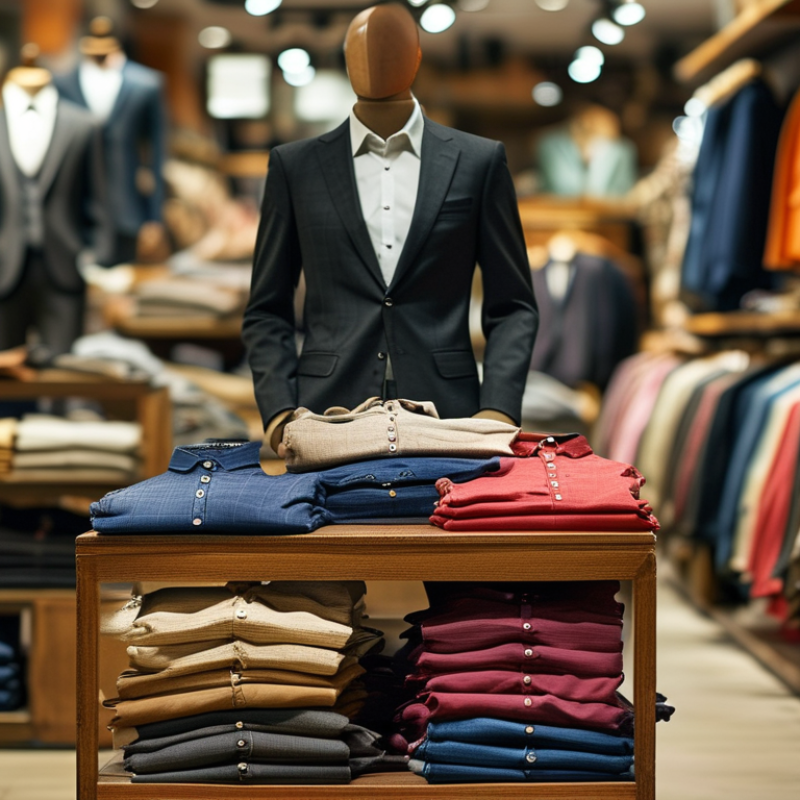
Identifying Your Retail Brand's Unique Needs in Apparel Supply
Identifying your retail brand's unique needs is crucial when selecting apparel suppliers. According to a recent report by Statista, the global apparel market is expected to reach $3 trillion by 2030. Understanding your niche is vital. Are you targeting fast fashion or premium segments? Each market requires different suppliers with distinct capabilities.
Finding a supplier that aligns with your values can be challenging. Keep an eye on ethical sourcing practices. Over 60% of consumers prefer brands that prioritize sustainability. Suppliers should demonstrate transparency in their practices. Look for certifications that confirm ethical standards. It builds trust and attracts a loyal customer base.
As your brand grows, so do your needs. A flexible supplier can adapt to your changing demands. The need for quick response times has never been more significant. A report from McKinsey suggests that agile supply chains contribute to better operational efficiency. Reflect on your current partnerships. Are they serving you well? If not, reassess and seek better-fitting collaborators for your brand’s future.
Evaluating Supplier Reliability and Reputation in the Fashion Industry
In the fast-paced fashion industry, evaluating supplier reliability and reputation is crucial for retailers. A strong supply chain can make or break your business. Start with understanding suppliers' backgrounds. Look into their operational history and assess how they have handled past challenges. This can provide insights into their reliability.
Customer reviews and testimonials are common sources of information. However, not all feedback is valid. Seek out detailed case studies or industry reports that highlight suppliers' strengths and weaknesses. Reliable suppliers often share their success stories openly. Be wary of those who claim perfection. Every supplier has areas for improvement, and understanding these can help you make informed decisions.
Moreover, communication plays a vital role in establishing a strong partnership. Assess how responsive suppliers are when inquiries arise. An unresponsive supplier may struggle during critical times. Building relationships based on trust takes time. Take note if a supplier often seems disorganized. They may not prioritize your needs. A keen eye for detail can save you from future headaches in your retail journey.
Assessing Quality Control Processes for Apparel Suppliers
Quality control processes are vital for apparel suppliers. A well-established quality control system ensures that garments meet specific standards. This system should cover all production phases, from raw material sourcing to finished products. Suppliers must inspect materials before they reach the assembly line. Early detection of flaws saves time and money.
Random sampling during production is another critical control measure. It allows for quality checks on a selection of items, reducing risks. If issues arise, addressing them early can prevent larger problems later. Additionally, post-production inspections are necessary. This final check ensures that products are ready for retail without defects.
Communication with suppliers is crucial. Discussing quality expectations openly helps build strong relationships. Regular audits of their quality control processes reveal their commitment to excellence. You may find that some suppliers struggle with consistency. Reflect on how this impacts your brand. A reliable supplier enhances your reputation and boosts customer satisfaction. Prioritize quality over cost when selecting apparel suppliers.
Quality Control Metrics of Apparel Suppliers
Understanding Pricing Structures and Payment Terms for Suppliers
When partnering with apparel suppliers, understanding pricing structures is essential. Many retailers overlook the complexity of these structures. A 2022 industry report indicated that 70% of retailers found pricing transparency critical for maintaining healthy supplier relationships. Hidden fees or unclear cost breakdowns can lead to unexpected expenses.
Payment terms are another crucial factor. Typical terms range from 30 to 90 days, but flexibility can vary significantly. A recent survey showed that 40% of suppliers offer payment plans. Retailers should carefully assess the impact of these terms on cash flow. Delayed payments can hinder operations, especially for smaller businesses. It's vital to negotiate favorable payment options while ensuring they align with your retail strategy.
Lastly, consider how pricing strategies affect your profit margins. Data suggest that around 55% of apparel retailers fail to track the true costs of goods sold. This lack of awareness can lead to financial strain. Many suppliers now provide itemized pricing upon request. Retailers should leverage this information to enhance their buying strategies and protect their interests. The goal is to create a win-win situation for both retailers and suppliers, but this requires diligence and clear communication.
Exploring Sustainability Practices and Ethical Standards in Supply Chains
Sustainability and ethics in apparel supply chains are crucial for modern retailers. As consumers become more environmentally conscious, they seek brands that align with their values. An ethical supply chain ensures fair labor practices. It also means minimizing environmental impact. These factors are not just trends; they are essential for long-term success.
Evaluating suppliers requires a careful approach. Look for transparency in sourcing materials. Are they using organic fabrics? What about water management practices? Small details matter. Certifications can indicate a supplier's commitment to sustainability. However, not all certifications are created equal. Investigate their legitimacy; some may be misleading.
Moreover, consider the supplier’s community impact. Do they support local economies? This aspect contributes to a brand's overall ethical standing. Building a successful retail business goes beyond profit margins. It requires genuine commitment to responsible practices. Retailers must continuously assess their supply chains for improvements. This ongoing reflection can lead to significant changes. It ensures that the business adapts to the evolving landscape of consumer expectations.
What to Look for in Apparel Suppliers for Retail Success
| Supplier Criteria |
Sustainability Practices |
Ethical Standards |
Certifications |
Delivery Time |
| Quality of Materials |
Uses organic cotton and recycled materials |
Fair labor practices and safe working conditions |
GOTS, OEKO-TEX |
4-6 weeks |
| Production Capability |
Minimizes water usage in production |
Child labor-free production |
WRAP, SA8000 |
6-8 weeks |
| Cost Efficiency |
Invests in renewable energy sources |
Transparency in supply chain |
ISO 14001 |
3-5 weeks |
| Minimum Order Quantity |
Emphasizes eco-friendly packaging |
Employee rights advocacy |
B Corporation |
5-7 weeks |
Conclusion
In the quest for retail success, understanding what should retailers look for in apparel suppliers is crucial. First, retailers must identify their unique brand needs, ensuring that the supplier can meet specific product requirements. Evaluating supplier reliability and reputation in the fashion industry is essential to minimize risks associated with supply chain disruptions. Furthermore, assessing the quality control processes in place ensures that the apparel meets the necessary standards and customer expectations.
Additionally, retailers should have a clear understanding of pricing structures and payment terms to maintain healthy cash flow and budgeting practices. Lastly, exploring suppliers' sustainability practices and ethical standards is increasingly important, as consumers are more conscious of ethical consumption. By addressing these key areas, retailers can make informed decisions that enhance their overall supply chain performance and align with their brand values.

 Yeg Vogue